10 Tips for Choosing Radial Deep Groove Ball Bearings?
Choosing the right Radial Deep Groove Ball Bearing is crucial for optimal performance in various applications. These bearings are widely used in machinery, electrical motors, and automotive parts. Understanding their specifications can significantly impact efficiency and reliability.
Factors like load capacity, speed rating, and lubrication options must be considered. A misunderstanding of these elements may lead to premature failure. It's essential to analyze your specific requirements before making a decision. This process can be daunting, especially for those new to bearing selection.
The variety of options available can be overwhelming. Not every Radial Deep Groove Ball Bearing suits every application. Therefore, taking time to research and consult experts is a wise approach. By focusing on quality and compatibility, you can avoid costly mistakes down the line.
Understanding Radial Deep Groove Ball Bearings and Their Applications
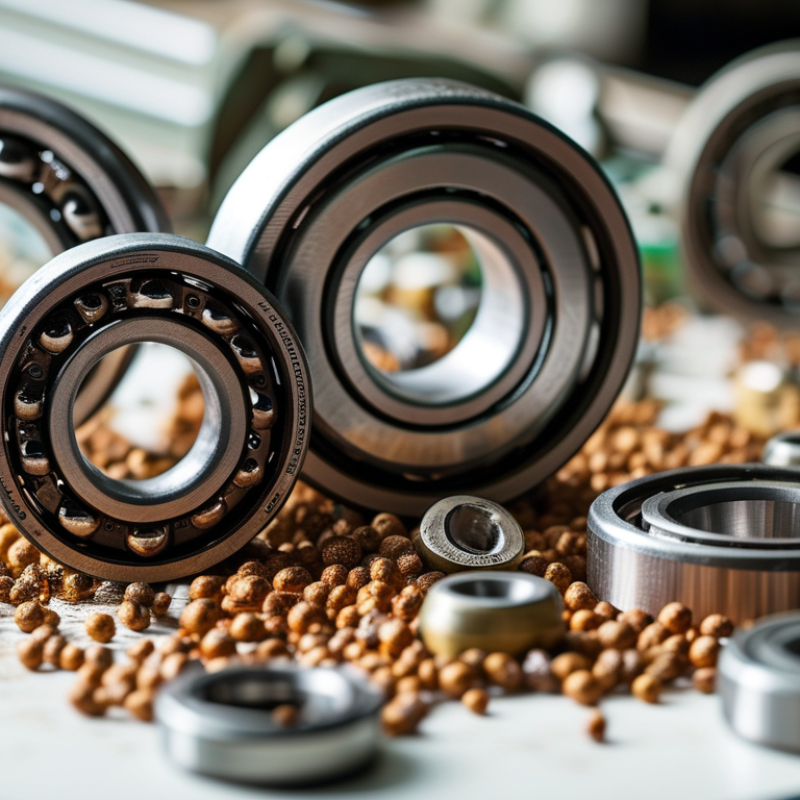
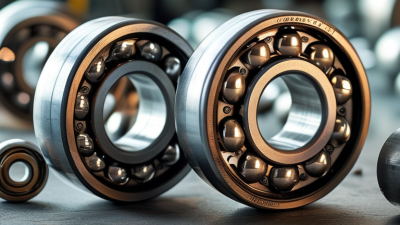
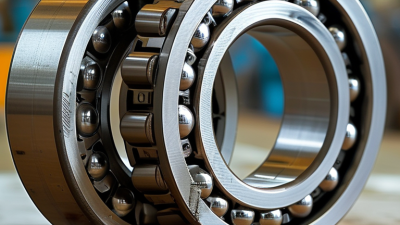
Radial deep groove ball bearings are crucial components in various mechanical applications. They support radial loads and axial loads in both directions. These bearings can be found in motors, machinery, and automotive systems. Their design features a continuous raceway that improves load distribution and enhances durability.
Understanding their application is essential for proper selection. For instance, an electric motor may require high-speed bearings with low friction. In contrast, heavy machinery may need robust bearings capable of handling harsh conditions. Each application has unique demands. It is vital to consider the environment, load type, and speed. Sometimes, one might overlook factors such as temperature changes or contamination. These aspects can affect bearing performance significantly.
Selecting the right bearing involves more than just looking at specifications. Users often need to evaluate performance under real-world conditions. This can lead to unexpected failures. Analysis of wear patterns can provide insights. It can be a trial-and-error process to find the optimal fit. Balancing all factors ensures longer service life and reliability.
Key Factors to Consider When Selecting Radial Deep Groove Ball Bearings
When selecting radial deep groove ball bearings, several key factors warrant attention. The load rating is crucial. It specifies the maximum load the bearing can withstand. A higher load rating ensures longevity under varying conditions. Reports suggest that approximately 70% of bearing failures stem from improperly assessed loads. Hence, accurately determining the load requirements is essential.
Another significant factor is the bearing's material and sealing design. Most commonly used materials include stainless steel and chrome steel. These materials offer different benefits, such as corrosion resistance and durability. Depending on the application, choosing the right seal can enhance performance and lifespan. It's noteworthy that selecting improper seals can lead to premature failure. According to industry studies, up to 65% of users overlook this aspect.
Temperature range is also vital. Bearings must perform efficiently under specific temperature conditions. Reports indicate that bearings exposed to extreme temperatures often fail sooner than expected. Understanding these temperature limits is vital for optimal function. Balancing these factors requires expertise and careful consideration. Each detail plays a crucial role in the bearing's overall performance and reliability.
10 Tips for Choosing Radial Deep Groove Ball Bearings
This chart illustrates the importance of various factors to consider when selecting radial deep groove ball bearings. Each factor is rated on a scale from 1 to 10, with 10 being the most important. Key considerations include load capacity, speed rating, and vendor reputation.
Calculating Load Ratings and Lifespan of Radial Deep Groove Ball Bearings
When it comes to radial deep groove ball bearings, understanding load ratings and lifespan is vital. Load ratings indicate how much weight a bearing can support. This information helps in selecting the right bearing for your machinery. Each bearing has a dynamic load rating and a static load rating, which are critical for different applications.
Calculating the lifespan of these bearings involves several factors. The basic formula considers the load applied and the bearing's rated life. A heavier load reduces lifespan, while proper alignment and lubrication can extend it. Sometimes, users overlook the importance of these variables. Skipping maintenance may lead to premature failure, which is costly and inconvenient.
It's essential to monitor operating conditions as well. Vibration and heat play significant roles in bearing performance. Adjusting for these elements can improve reliability. Users must be cautious in their choices. Test different configurations and document outcomes to gain a better understanding over time. This approach builds a more informed decision-making process for future projects.
Material and Design Options for Enhanced Performance in Bearings
When selecting radial deep groove ball bearings, the choice of materials significantly impacts overall performance. Common materials include chrome steel, ceramic, and stainless steel. Chrome steel offers high wear resistance and durability, which often leads to longer service life. In contrast, ceramic bearings are lighter and have lower friction, improving efficiency in high-speed applications. According to a recent report by the International Organization for Standardization, bearings made with advanced materials can reduce energy consumption by up to 30%.
Bearing designs also play a crucial role in performance enhancement. Shielded and sealed variants protect against contaminants and retain lubricants. The design should align with the specific application requirements. For instance, a sealing design might be more suitable for environments with significant exposure to dust and moisture. However, designers must analyze the trade-offs. A sealed bearing might have lower maximum speeds compared to its open counterpart.
Temperature stability is another consideration. High-performance bearings may utilize special coatings to enhance resistance to extreme conditions. Studies show that bearings operating at higher temperatures can experience approximately 15% reduced lifespan without proper material selection. Manufacturers should evaluate both the operational environment and expected loads. Making informed choices regarding materials and designs is crucial to achieving reliable and efficient performance in bearing applications.
Evaluating Noise and Vibration Levels in Radial Deep Groove Ball Bearings
When selecting radial deep groove ball bearings, noise and vibration levels are crucial factors. High noise levels can indicate issues such as poor lubrication or misalignment. A bearing that operates quietly often reflects better design and manufacturing tolerances. Vibration can significantly impact the lifespan of the bearings and the machinery they support. Therefore, evaluating these factors during the selection process is essential for optimal performance.
Consider using vibration analysis methods to assess the bearings’ condition. These techniques help detect abnormalities that may not be visible. Regular monitoring of noise and vibration can also provide insight into potential failures. If a sudden change in noise or vibration occurs, this could indicate deterioration.
Testing specifications should include both dynamic and static conditions. It's vital to analyze how bearings behave under load and different RPMs. However, data interpretation can be challenging. Every application is unique, and what works for one setup may not suit another. Therefore, taking the time to investigate these factors can save money and prolong equipment life.
10 Tips for Choosing Radial Deep Groove Ball Bearings - Evaluating Noise and Vibration Levels
| Tip Number |
Tip Description |
Noise Level (dB) |
Vibration Level (mm/s) |
Load Capacity (N) |
| 1 |
Select the right size for your application |
35 |
0.5 |
5000 |
| 2 |
Check the material and coatings |
30 |
0.3 |
6000 |
| 3 |
Assess the lubrication type needed |
40 |
0.7 |
5500 |
| 4 |
Evaluate the operational speed |
45 |
0.6 |
4900 |
| 5 |
Inspect sealing options available |
38 |
0.4 |
5700 |
| 6 |
Consider the bearing's resistance to contamination |
33 |
0.5 |
6200 |
| 7 |
Evaluate machinery alignment requirements |
36 |
0.4 |
5000 |
| 8 |
Check for thermal stability |
34 |
0.5 |
5300 |
| 9 |
Understand the bearing’s dynamic and static load ratings |
39 |
0.6 |
7000 |
| 10 |
Consult with an engineer for complex applications |
42 |
0.8 |
6000 |