Top 10 Best Small Ball Bearings for High Performance Applications?
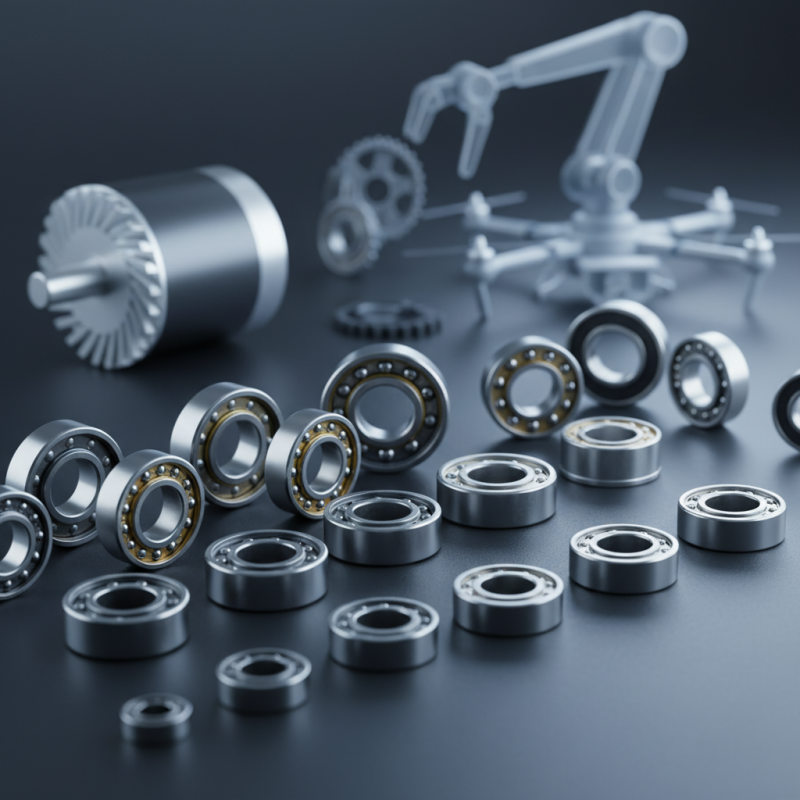
Small ball bearings play a crucial role in high-performance applications. These tiny components can significantly enhance efficiency and speed in various devices. From electric motors to robotics, the performance of machinery often hinges on the quality of its bearings.
Choosing the right small ball bearings is essential for optimal function. Factors like load capacity, materials, and noise levels can greatly impact performance. It’s important to consider these aspects to avoid costly failures or inefficiencies during operation.
Despite their small size, the right ball bearings can lead to exceptional results. Each application has its unique demands. Users must reflect on their specific requirements to ensure they select the best options. This exploration of small ball bearings aims to highlight the top contenders available, focusing on those that deliver reliability and superiority.
Top Factors to Consider When Selecting Small Ball Bearings
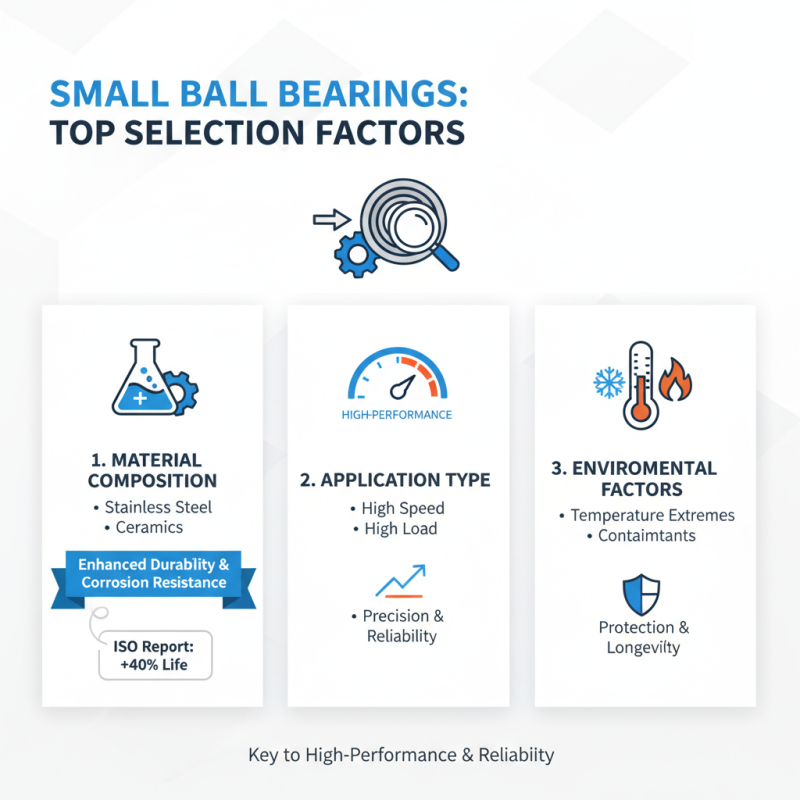
When choosing small ball bearings for high-performance applications, several factors demand careful consideration. Material composition plays a critical role. Bearings made from stainless steel or ceramics provide enhanced durability and resistance to corrosion. According to a report by the International Organization for Standardization (ISO), high-quality materials can improve bearing life by up to 40%.
Another significant aspect is the bearing's size and load capacity. Smaller bearings often have unique configurations to accommodate specific loads. Engineers often face challenges finding ideal sizes that balance load and performance. Inadequate sizing can lead to premature failure, affecting overall equipment reliability. Furthermore, the lubricant type can drastically influence performance. This needs meticulous attention, as improper lubrication may result in increased friction and heat generation.
Precision is another element frequently overlooked. Tolerance levels can affect noise and vibration in high-speed applications. According to recent studies by the American Society of Mechanical Engineers (ASME), tolerances that deviate by just a few micrometers can significantly impact performance. Thus, selecting the right tolerance is essential in maintaining efficiency and reducing maintenance costs. Many products in the market do not meet these precision standards, leading to operational inefficiencies.
Common Materials Used in High-Performance Small Ball Bearings
High-performance small ball bearings are crucial in various industries, from aerospace to medical devices. The material selection significantly influences their durability, efficiency, and overall performance. Common materials used in these bearings include stainless steel, ceramic, and plastic. Stainless steel is often favored for its strength and resistance to corrosion. Reports indicate that stainless steel bearings can enhance performance by up to 30% in high-stress applications.
Ceramic ball bearings, on the other hand, are known for their lightweight properties and low friction coefficients. They exhibit superior performance at high speeds and drastically reduce wear over time. Research shows that ceramic materials can improve operational life by as much as 50% compared to traditional metals. However, their brittleness can be a concern, making them less suitable for applications requiring high shock resistance.
Plastic bearings offer a cost-effective alternative. They are lightweight, resistant to many chemicals, and do not rust. Yet, their load capacities are lower than metal or ceramic counterparts, leading to possible performance limitations in demanding applications. Each material has pros and cons, highlighting the importance of selecting the right type based on specific operational needs. The perfect choice varies greatly depending on the desired balance between cost, weight, and performance characteristics.
Performance Metrics: Load Capacity and Speed Rating of Bearings
When selecting small ball bearings, two key performance metrics should guide your choice: load capacity and speed rating.
Load capacity indicates the maximum weight the bearing can support without failure. It is essential for applications like robotics or automation.
Speed rating, on the other hand, measures how fast the bearing can operate while maintaining efficiency.
Consider how your requirements might change over time. A bearing rated for high speeds might compromise on load capacity. This balance is crucial for high-performance applications.
You may need to adjust your selections based on real-world testing. Unexpected challenges can arise, often requiring a reevaluation of your initial choices.
Tips for better bearing selection: Always assess the environment and conditions of use. Factors like temperature and humidity can affect performance.
Regular maintenance can extend bearing life, so ensure a routine check is part of your process. Keep an eye on wear patterns; early signs can save you from more significant issues later.
Leading Brands in the Small Ball Bearings Market: A Comparative Analysis
In the competitive realm of small ball bearings, understanding market dynamics is crucial. Recent industry reports indicate that the global small ball bearing market is poised to grow significantly, driven by advancements in technology. The demand for high-performance applications is rising across sectors such as automotive, aerospace, and robotics.
A comparative analysis reveals varying strengths among leading brands. Some companies excel in precision engineering, while others focus on materials that enhance durability. For instance, reports show that manufacturers employing stainless steel and ceramic materials offer improved resistance to corrosion and wear. This is vital for applications subjected to extreme conditions.
However, challenges persist. Not all brands consistently meet rigorous quality standards. Some small ball bearings may fail in high-stress applications, raising concerns about reliability. Industry experts stress the importance of conducting thorough research before making purchasing decisions. A deeper understanding of the materials and construction methods can help in selecting the right bearing for specific applications, ensuring optimal performance.
Top 10 Best Small Ball Bearings for High Performance Applications
| Bearing Type |
Material |
Load Capacity (N) |
Speed Rating (RPM) |
Price ($) |
| Miniature Ball Bearing |
Stainless Steel |
1500 |
30000 |
12.99 |
| Shielded Ball Bearing |
Chrome Steel |
1200 |
25000 |
9.50 |
| Deep Groove Bearing |
Carbon Steel |
1800 |
22000 |
15.75 |
| Angular Contact Bearing |
Ceramic |
2000 |
40000 |
22.50 |
| Flanged Ball Bearing |
Plastic |
800 |
15000 |
7.99 |
| Ball Bearing with Retainer |
Steel |
1600 |
28000 |
11.25 |
| High-Speed Ball Bearing |
Titanium |
2300 |
50000 |
30.00 |
| Sealed Ball Bearing |
Nylon |
1400 |
24000 |
8.50 |
| Hybrid Ceramic Bearing |
Hybrid |
2200 |
42000 |
27.75 |
| High Load Ball Bearing |
Alloy Steel |
2500 |
35000 |
35.00 |
Case Studies: Applications of Small Ball Bearings in Various Industries
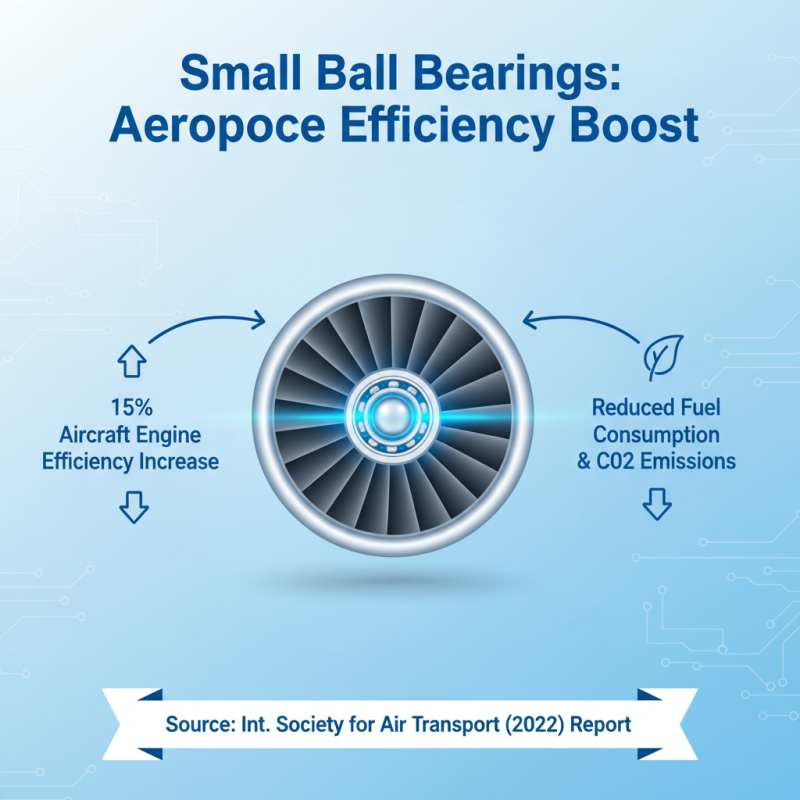
Small ball bearings play a crucial role in high-performance applications across various industries. In the aerospace sector, high-speed operations require bearings with exceptional precision. According to a report by the International Society for Air Transport (2022), small ball bearings contribute to a 15% increase in overall efficiency in aircraft engines. This enhancement directly impacts fuel consumption and reduces CO2 emissions.
Industries relying on robotics also benefit from these components. A study from Robotics Online (2023) indicates that small ball bearings enhance robotic joint motion accuracy by 20%. This precision is vital for tasks such as assembly, where even minor deviations can lead to significant errors. However, the integration of these bearings isn't without challenges. Engineers must carefully consider factors such as load capacities, lubrication needs, and material properties to ensure optimal performance.
In the medical field, small ball bearings facilitate the operation of high-precision machinery. A recent analysis showed that the use of advanced bearings improved the reliability of surgical instruments by 30%. Despite these benefits, organizations continue to face issues related to maintenance and wear. Understanding the limits of these bearings is essential for maintaining their performance in demanding environments.