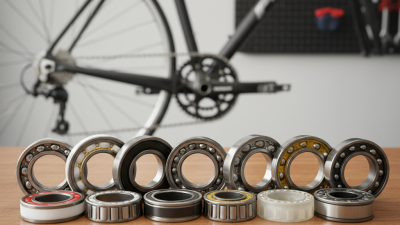
What is Industrial Ball Bearings and How to Choose Them?
Industrial Ball Bearings are crucial components in many mechanical systems. They support rotating parts and reduce friction between moving surfaces. Choosing the right bearing can improve machine performance and lifespan significantly. However, this selection is not always straightforward. Many factors must be considered, including load capacity, speed, and operating environment.
Understanding the material, design, and size of Industrial Ball Bearings helps ensure reliability and durability. Expert knowledge plays a key role here, but even experienced engineers sometimes face challenges. For instance, unexpected wear or noise might indicate a mismatch between bearing type and application. Such issues encourage continuous learning and testing within the industry.
This guide aims to provide practical insights on Industrial Ball Bearings. It will cover key aspects to consider and common mistakes to avoid. While no solution fits all cases, having a clear framework can ease the decision process. Reflecting on past errors and improvements is essential for better bearing choices in the future.
What are Industrial Ball Bearings and Their Functions in Machinery
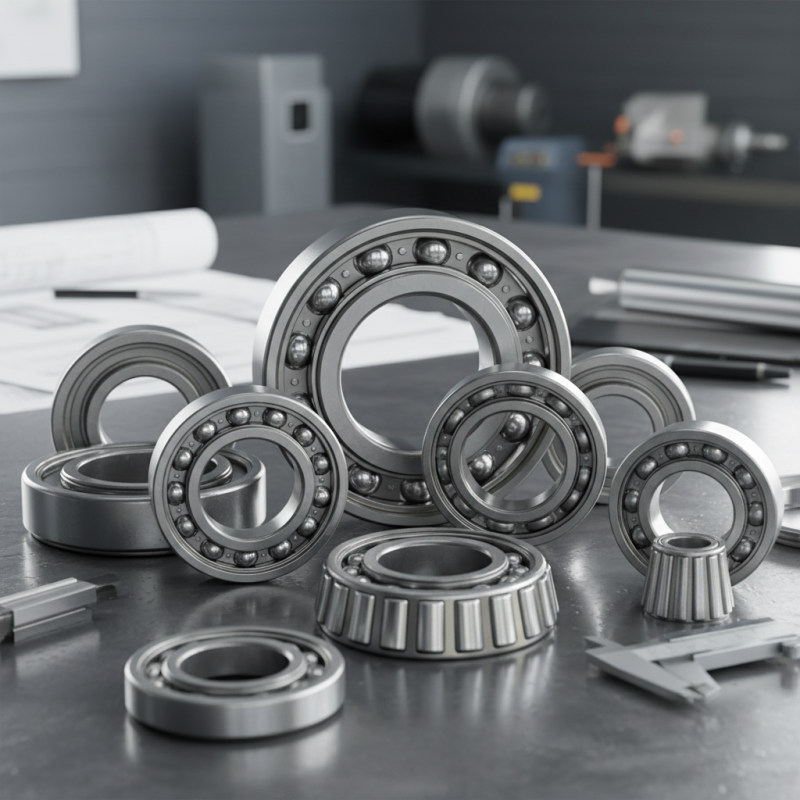
Industrial ball bearings play a crucial role in machinery. These components reduce friction between moving parts, allowing for smoother operation. They consist of inner and outer rings, balls, and cage materials. The design enables rotation with minimal resistance. This is vital for equipment longevity and efficiency.
Different types of ball bearings fulfill diverse functions. Deep groove ball bearings are versatile and widely used in electric motors and conveyor systems. On the other hand, angular contact bearings provide precise alignment for axial loads. Choosing the right bearing can often be confusing. Factors like load capacity, speed rating, and environmental conditions must be considered. Each selection impacts performance and durability.
Inspecting ball bearings regularly is important. Over time, wear can cause performance issues. It's vital to check for signs of deterioration. If a bearing is noisy or hot, it often indicates a problem. Regular maintenance can prevent unexpected failures. Selecting the appropriate bearing requires knowledge and experience, making it a passionate yet challenging task for many engineers.
Types of Industrial Ball Bearings: An Overview of Common Varieties
Industrial ball bearings are crucial components in a wide variety of machinery. They facilitate smooth rotation and reduce friction between moving parts. Understanding the common types of industrial ball bearings can help you make informed decisions for your applications.
There are several types of ball bearings, including deep groove, angular contact, and self-aligning bearings. Deep groove bearings are the most widely used. They can handle both radial and axial loads effectively. According to industry data, nearly 50% of bearings sold globally are deep groove varieties. Angular contact bearings have an internal design that permits higher speeds and loads, making them ideal for high-precision applications. Self-aligning bearings are designed to accommodate shaft misalignment. They offer excellent performance in conditions where alignment cannot be guaranteed.
It’s essential to consider specific characteristics when selecting a bearing type. Load capacity, speed rating, and operating environment are critical factors. Additionally, ensure to review maintenance requirements. Regular inspections can prevent failures and extend bearing life. While knowledge of bearing types helps, some nuances can be overlooked, such as temperature ratings and lubrication needs. Understanding these details can lead to better operational efficiency.
Industrial Ball Bearings Type Distribution
Key Specifications to Consider When Selecting Ball Bearings
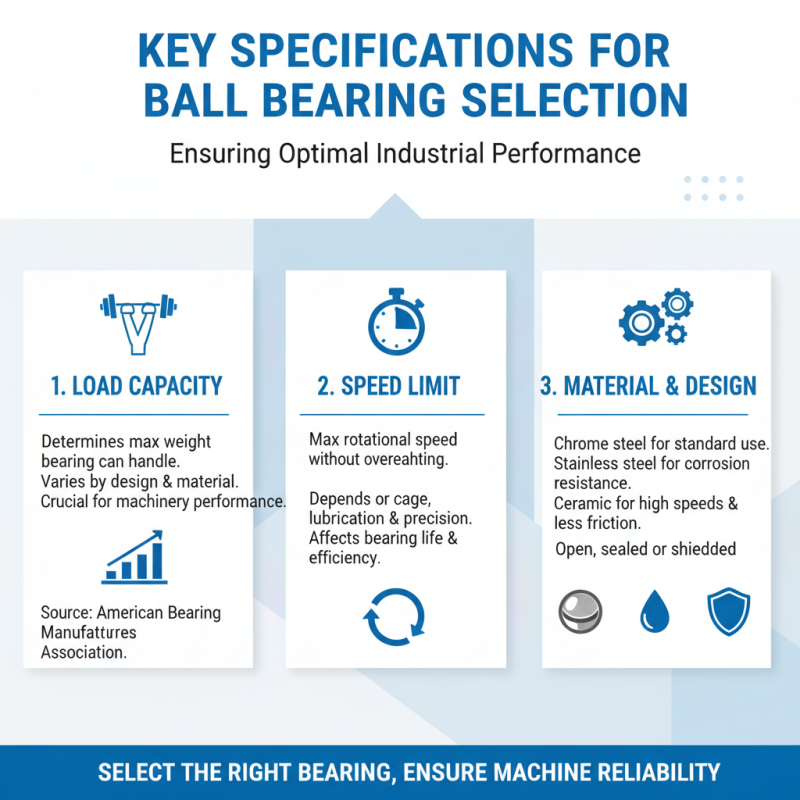
When selecting industrial ball bearings, certain key specifications play a critical role. The load capacity is one important factor, as it determines how much weight the bearing can handle. A report by the American Bearing Manufacturers Association indicates that load capacities vary significantly based on design and material. Properly assessing this can ensure optimal performance in machinery.
Another specification to consider is the bearing's speed rating. This reflects how fast the bearing can operate efficiently. According to industry data, higher speed bearings are often made from advanced materials. They feature better lubrication systems, which enhance performance. However, selecting a bearing solely based on speed can lead to issues in durability and maintenance.
Material composition influences both strength and environmental resilience. Steel bearings are common, yet ceramic bearings are becoming preferred in some applications due to their lower friction and improved wear resistance. However, some users may misjudge their longevity or applicability in harsh conditions. An adequate understanding is paramount to prevent possible failures in high-stress settings.
The Role of Load Ratings and Speed Factors in Bearing Selection
Selecting the right industrial ball bearings is crucial for ensuring optimal performance in machinery.
Load ratings play a significant role in this selection process.
Each bearing has a specific load capacity, reflecting how much weight it can support without failure.
Overloading a bearing can lead to premature wear or catastrophic failure.
It's essential to understand the dynamic and static load ratings when making choices.
Speed factors are equally important.
Bearings are rated for different speeds, impacting their heat generation and efficiency.
Operating beyond a bearing's speed limit can cause overheating, leading to lubricant breakdown.
This results in increased friction and shortened bearing life.
Assessing both load ratings and speed capabilities helps in making informed decisions.
Considering real-world applications can guide better choices.
For example, a bearing used in a conveyor belt system should prioritize
high load capacity due to constant weight stress.
If the application involves high-speed machinery, the selected bearings must handle those speeds effectively.
Balancing these factors isn't always straightforward;
sometimes, compromises are necessary.
It’s a challenging process that requires careful thought and consideration.
Common Applications of Industrial Ball Bearings in Various Industries
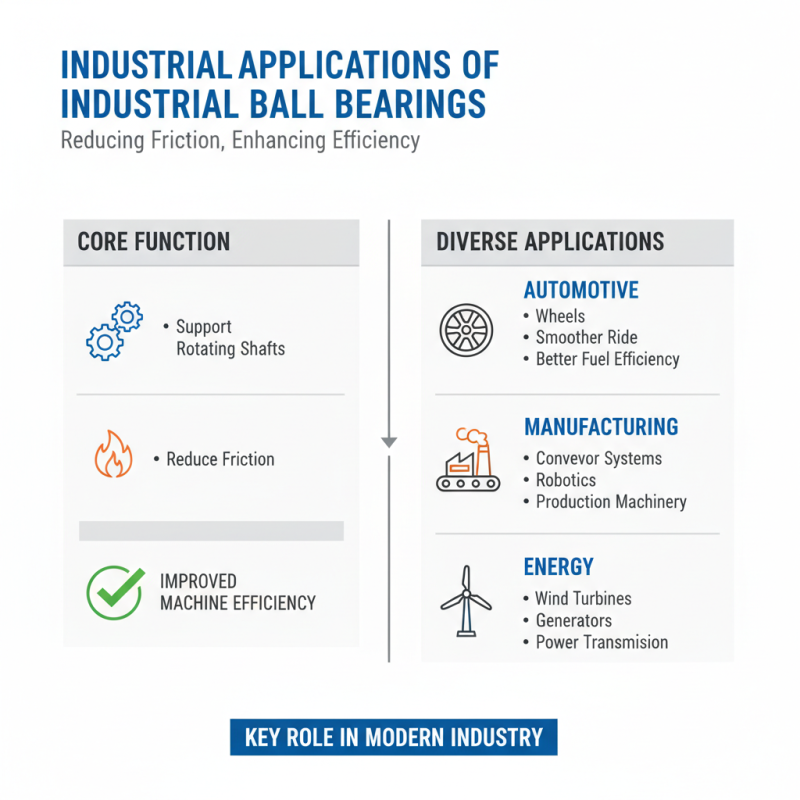
Industrial ball bearings play a crucial role in many industries. They support rotating shafts and reduce friction. This function enhances the efficiency of machines. Applications are diverse, ranging from automotive to manufacturing. In the automotive sector, bearings are found in wheels and engines. They help vehicles run smoothly and improve fuel efficiency.
In manufacturing, ball bearings are vital for conveyor systems and industrial machinery. They ensure smooth movement and reduce wear over time. The food and beverage industry also uses ball bearings. They withstand harsh conditions and maintain hygiene standards. This reliability is essential for continuous operations.
Choosing the right bearing requires careful consideration. Load capacity, speed, and environment matter significantly. An inappropriate choice can lead to equipment failure. This emphasizes the need for a knowledgeable selection process. Professionals should assess specific needs and operational demands. It's a complex task but critical for success in industrial applications.