Essential Tips for Choosing Axial Ball Bearings for Your Needs?
When it comes to selecting axial ball bearings, understanding their significance is crucial. According to a recent market report by Grand View Research, the global ball bearing market size was valued at over $23 billion in 2022 and is expected to expand. This growth reflects the indispensable role of axial ball bearings in various industries, from automotive to aerospace.
Axial ball bearings can efficiently handle axial loads and maintain high performance under different conditions. However, choosing the right type often presents challenges. Factors like load capacity, operational speed, and lubricant type require careful consideration. Studies indicate that manufacturers often overlook specific requirements leading to inefficient performance. For instance, inadequate lubrication can reduce bearing life significantly, a point often neglected in initial considerations.
In conclusion, it is essential to evaluate not just specifications but also intended applications when selecting axial ball bearings. Relying solely on generic data may distort the decision-making process. Therefore, a comprehensive grasp of each bearing's characteristics ensures optimal performance and durability.
Basics of Axial Ball Bearings: Understanding Their Functionality
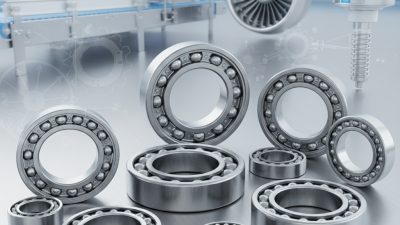
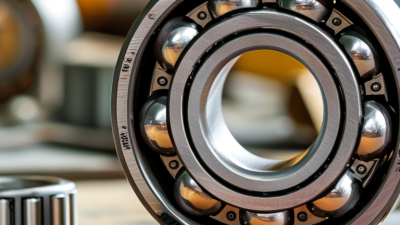
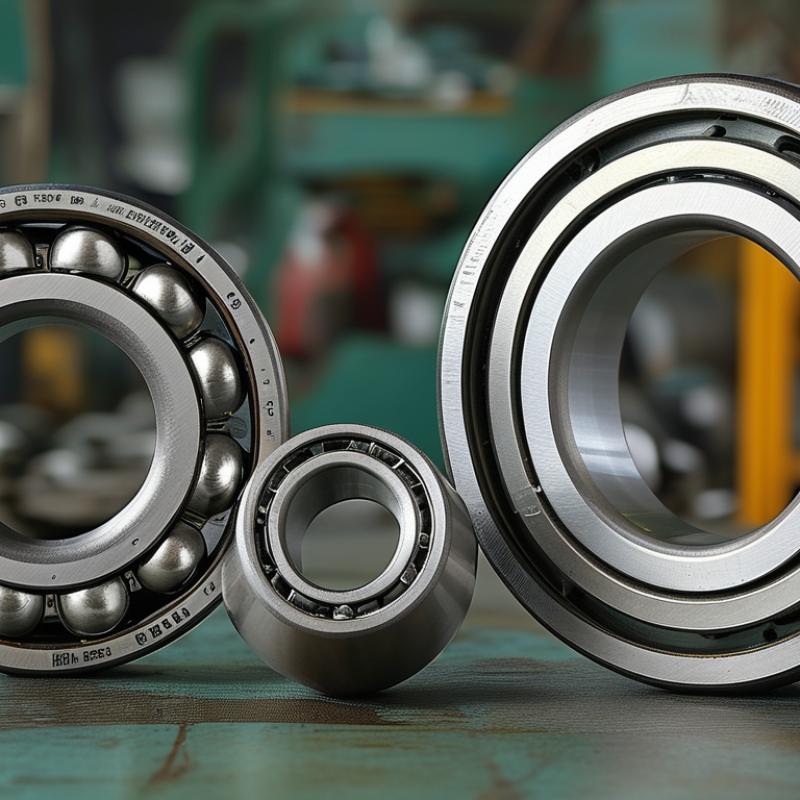
Axial ball bearings play a crucial role in various machinery. Understanding their functionality is vital for effective application. These bearings support axial loads in one direction, ensuring smooth rotational movement. They consist of ball elements that sit between the inner and outer raceways. The design allows for minimal friction, maximizing efficiency.
When choosing axial ball bearings, consider the load capacity. Each bearing has a specific rating, influencing its performance in different environments. Ensure the selected bearing suits your machinery's requirements. Additionally, monitor the operating conditions. Factors like temperature and lubrication can impact longevity. Regular maintenance is essential to prevent premature wear.
Inspect the installation space. Axial ball bearings require precision fitting to avoid misalignment. Misaligned bearings can lead to increased noise and reduced life expectancy. Evaluate compatibility with existing components as well. Proper research and understanding will lead to better decisions in procurement.
Essential Tips for Choosing Axial Ball Bearings for Your Needs
| Feature |
Description |
Considerations |
| Load Capacity |
The maximum axial load the bearing can support. |
Choose based on the expected load in your application. |
| Material |
Common materials include steel and ceramic. |
Consider corrosion resistance and application environment. |
| Lubrication |
Type of lubricant used can affect performance and lifespan. |
Select suitable lubricants for operating conditions. |
| Speed Rating |
Maximum rotational speed for reliable operation. |
Ensure bearing can handle your application's speed requirements. |
| Size & Dimensions |
Inner and outer diameter, and width specifications. |
Verify compatibility with the assembly space. |
| Sealing Type |
Options include open, shielded, or sealed bearings. |
Consider environmental exposure when selecting sealing. |
Key Factors to Consider When Selecting Axial Ball Bearings
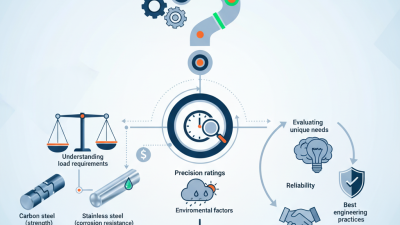
When selecting axial ball bearings, several key factors must be considered to ensure optimal performance. Load capacity is crucial. Bearings must handle both axial and radial loads effectively. According to the International Organization for Standardization (ISO), improper load ratings can lead to premature failure, decreasing lifespan by more than 50%.
Compatibility with the operating environment is another critical aspect. Temperature extremes and exposure to contaminants can drastically affect bearing performance. A study by the American Bearing Manufacturers Association indicated that about 30% of bearing failures stem from environmental factors. Selecting materials that resist corrosion can mitigate these risks.
The importance of installation cannot be overlooked. Misalignment during installation can lead to uneven wear. Research suggests that approximately 60% of bearing-related issues arise from incorrect installation. Regular maintenance is also vital. Ensuring proper lubrication reduces friction and enhances efficiency. Yet, many neglect this simple step, leading to costly replacements.
Essential Tips for Choosing Axial Ball Bearings
This chart illustrates key factors to consider when selecting axial ball bearings, rated by their importance. Load capacity is the most critical factor, followed by speed rating and lubrication type. Understanding these factors can help make an informed decision for your bearing needs.
Material Choices for Axial Ball Bearings: Impacts on Performance
When choosing axial ball bearings, paying attention to material choices is crucial. The materials used in these bearings can greatly affect their performance. Common materials include stainless steel, ceramic, and plastic. Each has its pros and cons, impacting factors like friction, load capacity, and corrosion resistance.
Stainless steel provides durability and strength. However, it may corrode in harsh environments. Ceramic materials offer excellent wear resistance and lightweight properties but can be more brittle. Plastic bearings are cost-effective and resistant to corrosion but may not handle high loads well. Balancing material features with your application needs is essential.
Tip: Consider the operating environment when selecting materials for axial ball bearings. Moisture, temperature, and load levels play critical roles in performance.
Evaluate reliability and performance expectations. A less robust material may seem appealing for cost savings, yet it could lead to frequent failures. Always think long-term to ensure your choice aligns with your operational goals. Fatigue and wear are common issues that arise from poor material selection.
Load Capacity and Size: Determining the Right Specifications
Choosing the right axial ball bearings can significantly affect your machinery's efficiency.
Load capacity and size are crucial specifications to consider. For optimal performance, the bearing must handle the applied loads without deformation. A recent industry report indicated that improperly sized bearings could lead to a 20% decrease in machine lifespan.
When determining load capacity, consider the dynamic and static load ratings. The dynamic load rating reflects the bearing's ability to withstand movement, while static ratings indicate its load capacity when stationary. Both ratings should align with your application's requirements. Overloading a bearing can lead to premature failure.
Tip: Always analyze the load conditions in your application. A clear understanding of the load type, direction, and magnitude will prevent costly errors. Additionally, sizing should be precise; small deviations can lead to performance issues. For axial applications, a tighter fit may be necessary to reduce misalignment risks.
In terms of size, it's essential to factor in bearing clearance. Insufficient clearance can result in increased friction and heat, which may damage the bearings. Conversely, too much clearance may cause vibrations. Precision in selecting both size and load capacity is vital for longevity.
Maintenance Tips for Ensuring Longevity of Axial Ball Bearings
When it comes to axial ball bearings, maintenance is
vital for longevity. Regular inspections help identify
wear and tear. Check for unusual noises or vibrations. These can be signs of
potential issues. Dust and debris can build up around the bearings, leading to problems.
Lubrication is essential. Using the right type of lubricant can reduce
friction and wear. Over time, grease can break down. Be sure to replenish it as needed.
Regular cleaning practices will also help maintain optimal performance.
Consider the operating environment as well. Extreme temperatures or humidity can affect the bearings.
Proper sealing can protect them from contamination. Always
adjust your maintenance routine based on specific conditions. Understanding these aspects will
maximize the lifespan of your
axial ball bearings.