2026 How to Choose the Right Ball Bearing Shaft for Your Project?
Choosing the right Ball Bearing Shaft for your project can significantly impact performance. Industry reports suggest that nearly 30% of machinery failures are associated with bearing issues. Selecting a suitable shaft is crucial for longevity and efficiency.
Understanding load requirements is essential. Ball Bearing Shafts come in various sizes and materials, impacting durability and performance. For instance, carbon steel shafts often excel in strength, while stainless steel offers corrosion resistance. Both options have distinct applications and cost considerations.
Many projects overlook essential details such as precision ratings and environmental factors. Failing to consider these aspects can lead to insufficient performance. Therefore, evaluating every project's unique needs will enhance reliability, aligning with best engineering practices.
Understanding the Basics of Ball Bearing Shafts and Their Functions
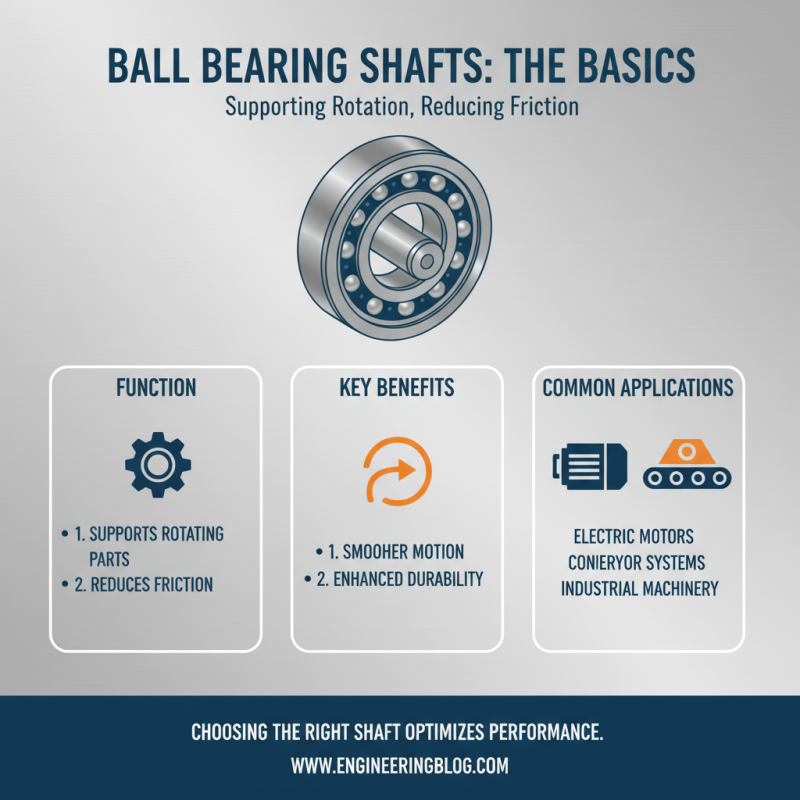
When selecting a ball bearing shaft, understanding its basics is crucial. Ball bearing shafts support rotating elements and reduce friction. They enable smoother movement in applications like motors and conveyor systems. Each shaft type has unique functions, affecting performance and durability.
Materials are vital in shaft selection. Steel is common for its strength, but lighter materials may enhance efficiency. A stainless shaft resists corrosion, prolonging lifespan in harsh environments. Let's not overlook dimensions. The shaft's diameter and length impact load capacity. An improper size can lead to failures or inefficiencies.
Design also plays a role. Some shafts have specific grooves for better alignment. Poor alignment can cause vibrations and noise. Always consider the operating conditions, too. High speeds generate heat, which affects bearings. Knowing these factors helps in making informed choices. However, evaluating project needs often reveals gaps in understanding. Continuous learning is essential in this field.
Key Factors to Consider When Choosing a Ball Bearing Shaft
Choosing the right ball bearing shaft for your project involves several key factors. One important aspect is load capacity. According to industry reports, approximately 70% of bearing failures result from improper load handling. Knowing the maximum weight your shaft can bear is crucial. Review the specifications of your project. This detailed analysis prevents premature wear and enhances the overall efficiency of your machinery.
Another factor is the shaft material. Steel, for example, is commonly used for its high strength and durability. However, it's also heavy. Some projects may benefit from lighter materials, such as aluminum or composite options. Yet, these materials may sacrifice strength. Understanding the balance between weight and strength is essential. Selecting the right material can directly impact the long-term performance of the bearing shaft.
Finally, consider the environment where the shaft will operate. If it’s exposed to moisture or chemicals, corrosion resistance becomes vital. Data suggests that corrosion-related failures increase by nearly 30% in harsh conditions. Assessing environmental factors will help in selecting a ball bearing shaft that reliably meets your project's demands. This decision requires careful reflection on your specific needs.
2026 How to Choose the Right Ball Bearing Shaft for Your Project?
When selecting a ball bearing shaft, it's essential to consider various factors such as load capacity, material, and shaft diameter. The chart below illustrates the relationship between shaft diameter and load capacity for different materials.
Types of Ball Bearing Shafts and Their Applications
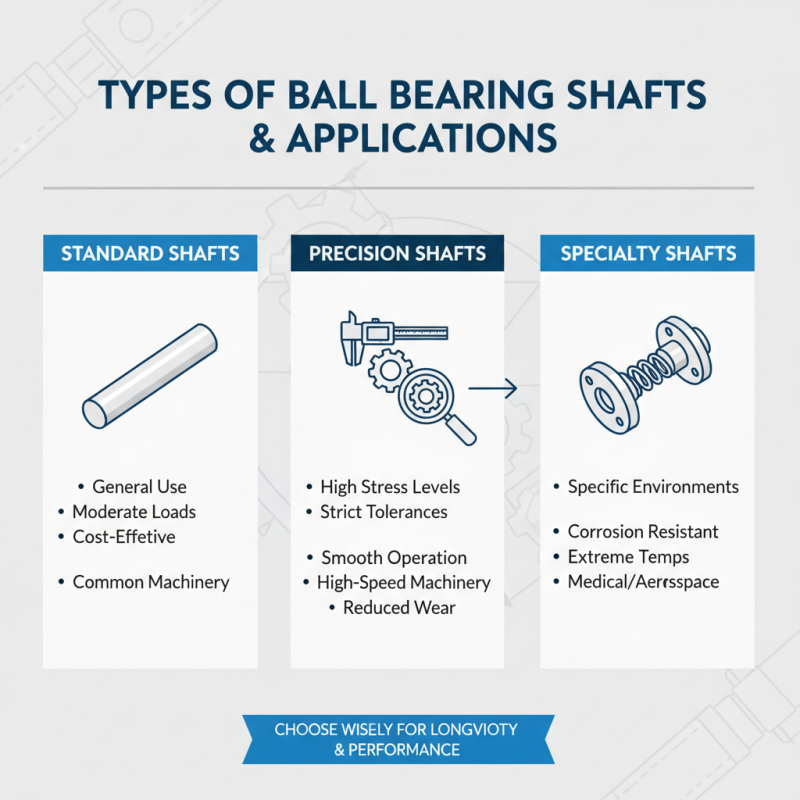
When selecting a ball bearing shaft, understanding the types available is crucial. This choice directly affects the performance and longevity of your project. A recent industry report indicated that precision shafts are gaining popularity due to their ability to handle higher stress levels. These shafts are ideal for applications requiring strict tolerances. They ensure smooth operation and minimize wear over time, which is vital for high-speed machinery.
Another category is the heavy-duty shaft, often used in industrial settings. While they can handle heavy loads, they may not perform well in precision applications. These shafts usually feature larger dimensions and can be over-engineered for lighter tasks. This mismatch can result in inefficiencies, increasing operational costs. An analysis showed that businesses could lose up to 15% in productivity when using oversized components for light applications.
Lastly, aesthetic shafts are appealing for consumer products needing visual appeal. However, their functionality may be compromised by design choices. If performance is prioritized, the choice of a visually focused shaft can lead to regret later. In this field, equilibrium between form and function is essential. Understanding these differences helps in making informed decisions tailored to your project’s needs.
Materials and Durability: Selecting the Best Shaft for Your Needs
When selecting a shaft for your project, materials and durability are crucial factors. It's essential to choose materials that withstand the operating environment. Common options include stainless steel, carbon steel, and aluminum. Each material has unique properties that can affect performance.
Stainless steel offers excellent corrosion resistance. However, it can be more expensive and heavier than other materials. Carbon steel provides great strength but may rust without proper protection. Aluminum is lightweight and resistant to corrosion, but it may not handle heavy loads as effectively.
Weigh these factors against your project's specific needs.
Tips: Keep in mind the load and operating conditions. If your project involves high-speed applications, consider materials that minimize friction and wear. Also, consider environmental factors such as humidity and temperature extremes that may impact material durability. Reflection on these elements is vital to making an informed choice.
Maintenance Tips for Prolonging the Life of Your Ball Bearing Shaft
Ball bearing shafts play a critical role in various mechanical applications. Proper maintenance is essential to enhance their lifespan. Regular upkeep can prevent unexpected breakdowns and costly repairs. Statistics indicate that preventative maintenance can extend equipment life by 15% to 40%. Many projects overlook this aspect, leading to premature wear and failures.
One effective tip for maintaining ball bearing shafts is to keep them lubricated. High-quality lubrication reduces friction and heat buildup. A good rule is to lubricate every 500 hours of operation. Another important practice is to monitor alignment regularly. Misalignment can lead to uneven wear and tear, severely impacting performance.
Storage conditions also matter. Ball bearing shafts should be kept in a clean, dry environment to prevent corrosion. Even slight rust can affect functionality. A study by the National Lubricating Grease Institute highlights that improper storage can shorten the lifespan by up to 25%. Remember to conduct routine inspections and replace parts showing signs of wear. These simple measures ensure optimal performance and longevity.
2026 How to Choose the Right Ball Bearing Shaft for Your Project? - Maintenance Tips for Prolonging the Life of Your Ball Bearing Shaft
| Dimension |
Material |
Load Capacity (kg) |
Speed Rating (RPM) |
Maintenance Tip |
| 10 mm |
Steel |
150 |
3000 |
Regularly lubricate to reduce friction. |
| 15 mm |
Stainless Steel |
200 |
2500 |
Inspect seals for wear regularly. |
| 20 mm |
Aluminum |
300 |
2200 |
Clean bearings periodically to prevent debris buildup. |
| 25 mm |
Plastic |
100 |
1800 |
Store in a cool, dry place to prevent warping. |