Top 10 Advantages of Using Stainless Steel Bearings in Various Applications?
Stainless Steel Bearings offer remarkable benefits across various industries. Their unique properties make them essential components in machines, vehicles, and equipment. These bearings resist corrosion, ensuring longevity even in harsh environments. They are particularly valuable in marine, pharmaceutical, and food processing applications, where hygiene and durability are key.
These bearings are known for their smooth operations and low friction. This leads to increased efficiency and reduced energy consumption. Their strength and durability minimize maintenance costs, a factor that appeals to many manufacturers. Understanding the benefits of Stainless Steel Bearings can help businesses make informed decisions for their operations.
However, it’s essential to recognize that not all applications require stainless steel. Sometimes, other materials might be more suitable. Analyzing specific needs is crucial. We must reflect on our choices and weigh both advantages and possible drawbacks.
Advantages of Corrosion Resistance in Stainless Steel Bearings
Stainless steel bearings are gaining traction in industries that demand high durability.
One of their standout features is corrosion resistance. This trait is vital in harsh environments.
Many reports indicate that up to 70% of bearing failures are due to corrosion.
This statistic emphasizes the importance of using materials that can withstand exposure to moisture and chemicals.
Stainless steel contains chromium, which forms a protective oxide layer. This layer prevents rust, making stainless steel bearings suitable for marine applications.
In fact, an analysis by a leading materials science journal highlighted that stainless steel bearings exhibited significant longevity when exposed to saltwater conditions compared to traditional bearings.
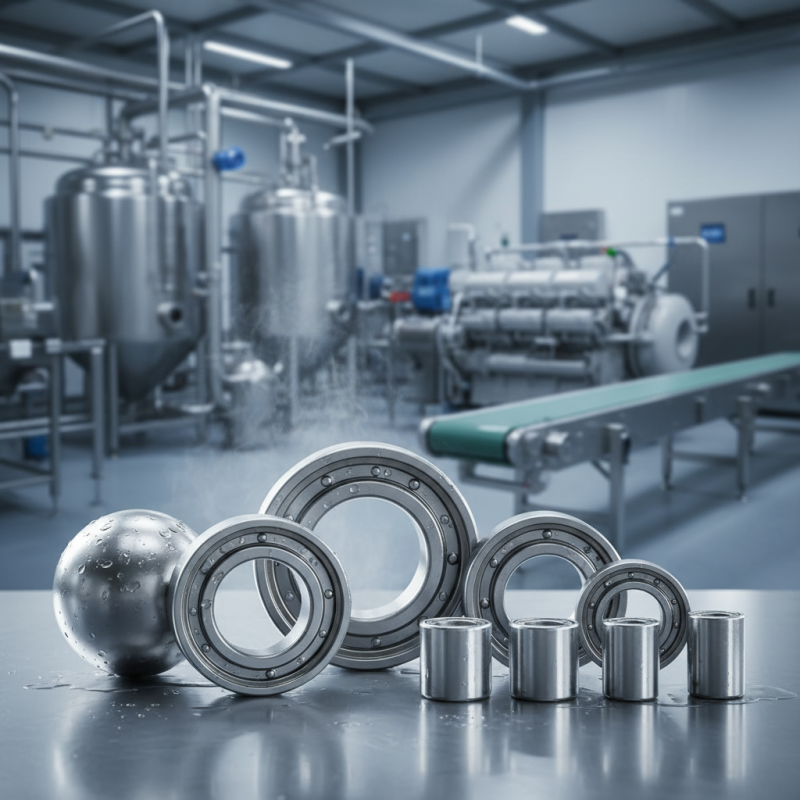
Industries such as food processing and pharmaceuticals benefit immensely from this feature.
Cleanliness is crucial in these sectors, making corrosion resistance non-negotiable.
However, there's a caveat. While stainless steel offers corrosion resistance, it may not have the same load capacity as other materials.
This can lead to failures under extreme stress. Users should assess their application requirements carefully.
Balancing the need for corrosion resistance with load-bearing capacity is essential.
Thus, the choice of bearings should involve thorough evaluation and testing.
Enhanced Durability: Lifespan Comparison with Traditional Bearings
Stainless steel bearings offer remarkable durability compared to traditional bearings. They resist rust, corrosion, and wear, making them ideal for harsh environments. In industries like aerospace and automotive, their lifespan can exceed that of standard bearings. This durability translates to less frequent replacements, minimizing downtime during operations.
However, not all applications benefit equally from stainless steel. In some instances, the higher cost may not justify the long-term benefits. For projects with budget constraints, the initial investment can be a point of reflection. Moreover, the increased weight of stainless steel bearings can affect performance in certain lightweight applications, requiring careful consideration during selection.
It's essential to evaluate specific operational conditions. While stainless steel provides enhanced longevity under harsh conditions, it may not be the best choice for every situation. Understanding the unique demands of each application will ensure optimal performance and efficiency. Sometimes, opting for a lesser material may lead to practicality while balancing performance and cost.
Reduced Maintenance Costs: Financial Implications in Industrial Settings
In industrial settings, the choice of bearing materials can significantly impact maintenance costs.
Stainless steel bearings offer durability and resistance to corrosion, reducing the frequency of replacements.
A study by the American Society of Mechanical Engineers showed that implementing stainless steel bearings can lower maintenance expenses by up to 30%.
Maintenance implications are crucial for long-term budgeting. Fewer breakdowns mean less downtime, resulting in greater productivity. Choosing the right bearings leads to an overall reduction in labor costs associated with maintenance.
Reliable data indicates that machinery downtime can cost industries between $500 and $1,000 per hour. Investing in stainless steel bearings can mitigate these costs over time.
Tip: Consider your operating environment. Factors like moisture and temperature can influence bearing performance.
Stainless steel may be more beneficial in humid or corrosive conditions.
Old bearings might be less reliable and lead to increased operational risks. Regular inspections can help identify wear and prevent costly failures.
Adopting new materials like stainless steel is not just a trend; it is a strategic decision for sustainable operations.
Tip: Track maintenance records. Analyzing patterns can reveal the longevity of different materials. Use this data to guide future purchases.
Versatility of Stainless Steel Bearings Across Diverse Applications
Stainless steel bearings are known for their versatility across various applications. Their inherent resistance to corrosion makes them ideal for industries such as marine, medical, and food processing. According to a recent report by the Bearing Market Forum, approximately 30% of bearings used in harsh environments are made from stainless steel. This statistic highlights their relevance in demanding conditions.
In the automotive sector, stainless steel bearings offer enhanced durability and performance. They can withstand extreme temperatures and pressures, providing reliable operation. Many manufacturers report up to a 15% increase in efficiency when using stainless steel over traditional materials. However, sourcing high-quality stainless steel can be challenging, as not all grades meet performance standards. This inconsistency can lead to failures if not carefully considered.
The growing popularity of stainless steel bearings reflects their adaptability. They can be utilized in robotics, conveyor systems, and even household appliances. There are ongoing discussions in engineering circles about the balance between cost and benefit. While stainless steel bearings can be more expensive initially, their longevity often offsets the price difference. Ensuring proper lubrication and maintenance is crucial for optimal performance, as neglect can lead to premature wear or failure.
Top 10 Advantages of Using Stainless Steel Bearings in Various Applications
| Advantage |
Description |
Applications |
| Corrosion Resistance |
Stainless steel bearings resist rust and corrosion, making them ideal for wet environments. |
Marine equipment, food processing, pharmaceuticals |
| Durability |
High resistance to wear and deformation, giving them a longer lifespan. |
Industrial machinery, automotive applications |
| Low Friction |
Stainless steel bearings provide low friction performance, reducing energy loss. |
Electric motors, conveyor systems |
| Versatility |
Can be used in various environments and tasks due to their adaptability. |
Robotics, medical devices |
| Ease of Maintenance |
Simple to clean and maintain, enhancing operational efficiency. |
Food industry, packaging machinery |
| Temperature Resistance |
Can withstand high temperatures without degradation. |
Aerospace, engine components |
| Chemical Resistance |
Resist attack from various chemicals, ensuring functionality in hazardous environments. |
Chemical processing, cleaning equipment |
| Sustainable Choice |
Recyclable material, contributing to environmental sustainability. |
General manufacturing, sustainable industries |
| Cost-Effectiveness |
Although upfront costs may be higher, long-term savings result from reduced maintenance. |
Construction, transportation |
| Smooth Operation |
Provide a smooth and quiet operational experience, enhancing user satisfaction. |
Consumer electronics, household appliances |
Impact on Performance: Load Capacity and Friction Reduction Data
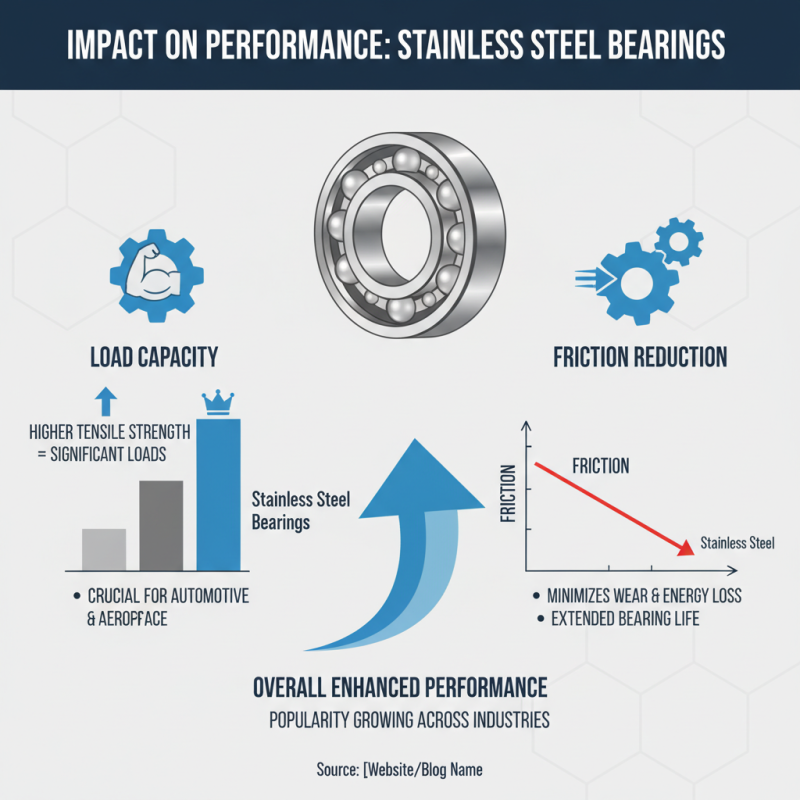
Stainless steel bearings are gaining popularity in various fields. Their impact on performance is profound, particularly in load capacity and friction reduction. Engineers appreciate the high tensile strength of stainless steel. It allows these bearings to manage significant loads effectively. This is crucial in applications like automotive and aerospace. The ability to bear weight while minimizing wear is vital in these industries.
Friction reduction is another critical advantage of stainless steel bearings. Studies show that they can lower friction coefficients compared to traditional materials. This means less energy loss during operation. In scenarios where efficiency is essential, this aspect cannot be overlooked. However, not all stainless steel bearings are created equal. Variations in alloy composition can lead to differences in performance. Thorough testing is necessary to ensure satisfactory results.
Adopting stainless steel bearings does come with challenges. The initial cost may deter some users. Over time, however, the cost savings from reduced maintenance can outweigh this. It's essential to consider the long-term benefits versus initial investment. Regular assessments of performance data can help identify areas for improvement. Testing under real-world conditions ensures that users get the maximum potential from their bearings.