2026 Best Stainless Bearing Options for Optimal Performance and Durability?
When it comes to machinery and equipment, the right components can make all the difference. Stainless Bearings are crucial for efficiency and longevity. Choosing the best options in 2026 means exploring materials, design, and conditions in which they perform best. Manufacturers offer various choices, but not all are created equal.
Stainless Bearings provide resistance to corrosion and wear. This attribute can be a game-changer in industries like automotive and aerospace. Companies are focusing on advanced materials to enhance performance. However, even the top products have limitations, affected by environmental factors and loads. Understanding these nuances requires expertise and practical experience.
Selecting the optimal stainless bearing is essential for maximizing performance. While reviews and technical specifications are helpful, real-world feedback is invaluable. Each application may reveal unforeseen challenges. Therefore, investing time in research can lead to better decisions. A well-informed choice can substantially improve the lifespan and reliability of machinery.
Understanding Stainless Bearings: Materials and Types
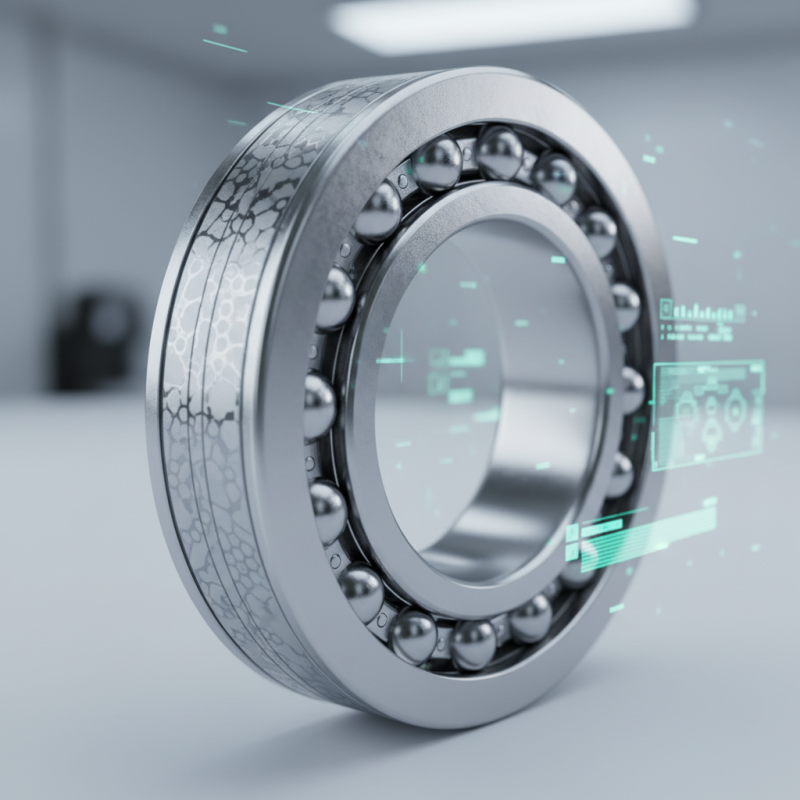
Stainless bearings are crucial in numerous applications, providing reliable performance and durability. These bearings are primarily made of stainless steel, which offers excellent resistance to corrosion and wear. This quality makes them ideal for environments exposed to moisture, chemicals, or extreme temperatures. When considering options, it's essential to understand the different stainless steel grades used in bearing production, such as AISI 440C or AISI 316. Each grade has unique properties that affect their performance and lifespan.
Different types of stainless bearings include deep groove, thrust, and angular contact variants. Deep groove bearings are versatile, accommodating radial and axial loads. Thrust bearings, on the other hand, are designed to handle axial loads specifically. They are commonly used in vertical applications. Angular contact bearings allow for combined loads, making them suitable for high-speed applications. It’s important to select the right type based on the specific requirements of your application.
While stainless bearings offer many advantages, they aren't without issues. The quality can vary based on manufacturing processes. Some bearings might not perform as expected under high loads or extreme conditions. Users should also consider maintenance, as even stainless bearings need regular checks. Understanding these details helps in making informed decisions for optimal performance and longevity.
2026 Best Stainless Bearing Options for Optimal Performance and Durability
| Bearing Type |
Material |
Load Capacity (kg) |
Speed Rating (RPM) |
Temperature Range (°C) |
Corrosion Resistance |
| Deep Groove Ball Bearing |
Stainless Steel 440C |
200 |
5000 |
-40 to 120 |
High |
| Angular Contact Bearing |
Stainless Steel AISI 316 |
150 |
6000 |
-20 to 100 |
Very High |
| Self-Aligning Bearing |
Stainless Steel 316L |
160 |
4000 |
-30 to 90 |
High |
| Insert Bearing |
Stainless Steel 304 |
180 |
3000 |
-20 to 80 |
Moderate |
Key Factors Influencing Bearing Performance and Durability
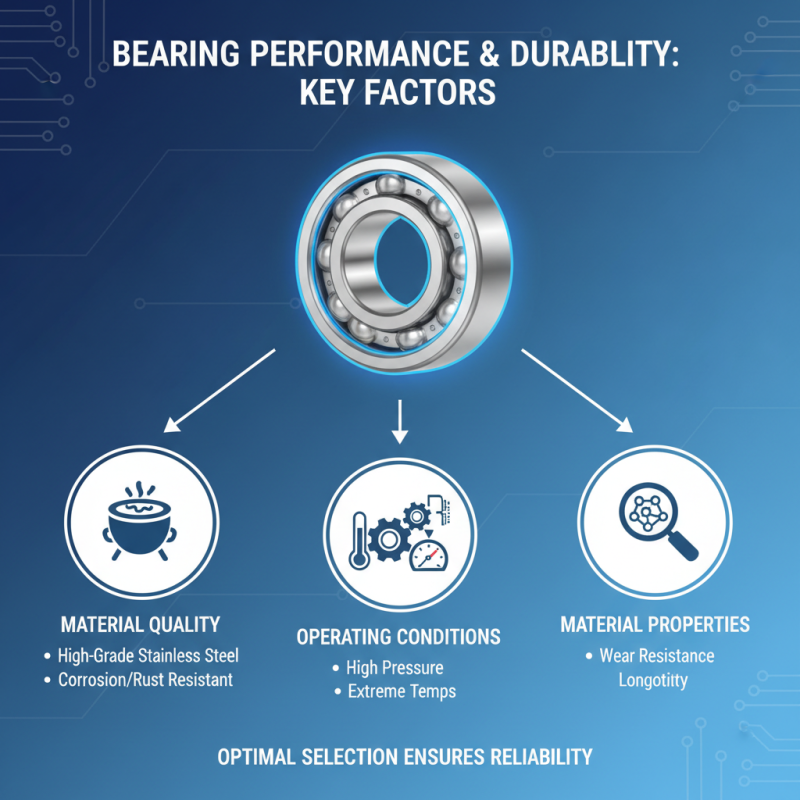
When considering the performance and durability of stainless bearings, various factors come into play. Material quality is a primary concern. High-grade stainless steel offers resistance to rust and corrosion. However, not all stainless materials are equal. Some may wear out quickly under high pressure or extreme temperatures. Understanding these properties is vital for ensuring long-lasting performance.
Another factor influencing bearing durability is lubrication. Proper lubrication reduces friction and heat buildup. It can dramatically extend the lifespan of bearings. Yet, improper lubrication or the use of unsuitable lubricants can lead to rapid failure. Regular maintenance checks are essential, often overlooked.
Lastly, installation practices impact overall bearing function. An incorrect installation can lead to misalignment, causing premature wear. This aspect requires skill and attention to detail. Many users underestimate how crucial proper setup is. Each of these elements, from material to lubrication and installation, shapes bearing performance in significant ways.
Top Stainless Bearing Brands for 2026: A Comprehensive Review
When choosing stainless bearings for 2026, it's vital to evaluate the top brands available. Key performance metrics should include load capacity, corrosion resistance, and operational lifespan. According to recent industry reports, high-quality stainless bearings can improve equipment efficiency by up to 20%. However, selecting the right material composition is crucial for achieving optimal results.
Several leading manufacturers emphasize the benefits of precision engineering in their stainless bearings. A study by the Bearing Industry Association highlights that bearings made from 440C stainless steel perform exceptionally well in harsh environments. Yet, it's important to recognize that not all brands offer the same level of reliability.
Discrepancies in manufacturing practices can lead to variations in performance.
Analyzing user reviews reveals potential drawbacks. Some users report that while certain bearings provide excellent initial performance, durability issues arise under heavy load conditions. Regular maintenance and timely inspections can mitigate risks. The market is vast, and making an informed choice requires careful consideration of both expert recommendations and real-world experiences. Balancing cost with potential long-term savings is often a challenging decision.
Comparative Analysis: Stainless Bearings vs. Other Materials
When comparing stainless bearings to other materials, durability is a critical factor.
Stainless steel bearings excel in environments with moisture and corrosive elements. According to industry data,
stainless bearings can last up to four times longer than standard carbon steel in harsh conditions. This endurance is essential for applications
in marine, food processing, and pharmaceutical industries.
However, stainless bearings can be more expensive upfront. Many engineers weigh this cost against
the lifespan and maintenance savings. In scenarios where bearing failure leads to significant downtime, stainless options become favorable.
Yet, certain applications might benefit from alternate materials, like plastic or ceramic.
These alternatives often offer lighter weight and resistance to chemical exposure.
The choice of materials should consider performance requirements. For example, ceramic bearings are better for
high-speed applications due to lower friction. Still, they lack the impact resistance of
stainless options. Each material presents trade-offs, emphasizing the importance of
evaluating operational needs carefully.
Maintenance Tips for Ensuring Long-Lasting Bearing Efficiency
When it comes to the longevity of stainless bearings, maintenance is crucial. Regular inspection helps identify wear and tear before they lead to failures. According to industry reports, proper maintenance can enhance bearing lifespan by up to 50%. Cleaning bearings frequently removes contaminants that cause corrosion, significantly boosting performance.
**Tips:** Always use a suitable cleaning agent. Avoid harsh chemicals that can damage seals. Lubrication is essential too. Experts recommend re-lubricating bearings after specific hours of operation. This practice ensures optimal performance, as insufficient lubrication can lead to higher friction and heat.
Monitoring operating conditions is also vital. Excessive temperatures can degrade the bearing material. A study by the American Society of Mechanical Engineers found that operating bearings beyond recommended temperature ranges can reduce efficiency by over 30%. Regularly checking alignment can prevent uneven wear, ensuring balanced performance. Failing to recognize subtle shifts in alignment can result in premature bearing failure, demonstrating the importance of keen observation in maintenance routines.