Top Shaft Roller Bearing Types and Their Applications?
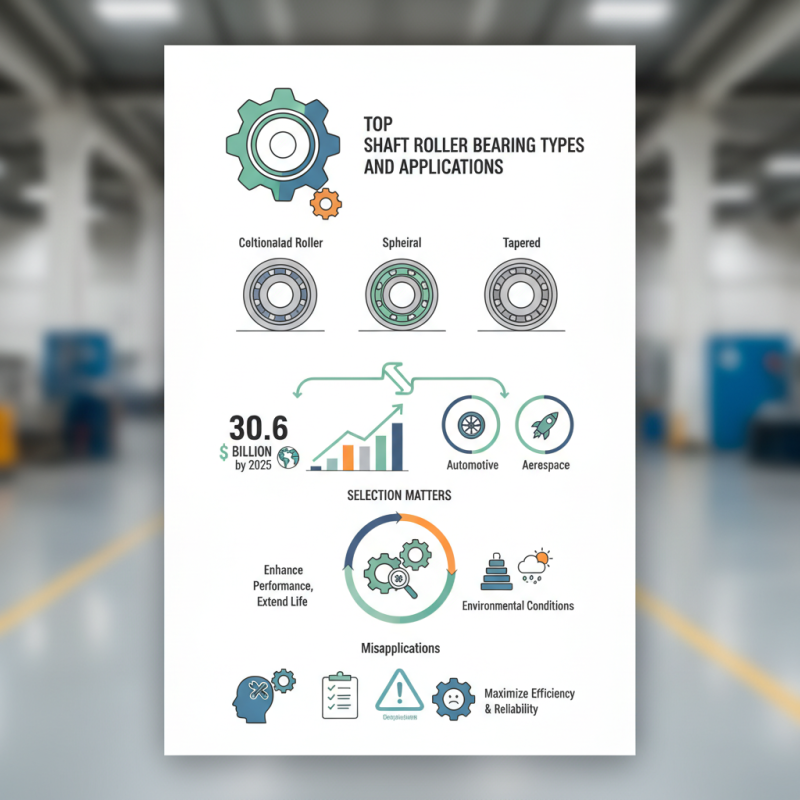
Shaft roller bearings play a crucial role in various industrial applications. They are designed for heavy-duty usage and excel in providing support under high loads and speeds. According to a recent market report by Grand View Research, the global shaft roller bearing market is projected to reach USD 30.6 billion by 2025. This growth reflects an increasing reliance on machinery and equipment across sectors like automotive and aerospace.
Expert insights in the industry highlight the significance of selecting the right type of shaft roller bearing for specific applications. David Johnson, a renowned mechanical engineer, states, “Choosing the correct shaft roller bearing can enhance performance and extend equipment life.” His analysis underscores the importance of understanding the different roller types and their unique functionalities.
The variety in shaft roller bearing types ensures that each application receives the optimal solution. However, the complexities in these selections can lead to misapplications. Companies often overlook specific load requirements or environmental conditions, which can impact performance negatively. Awareness of these factors is crucial for maximizing operational efficiency and reliability.
Types of Top Shaft Roller Bearings and Their Characteristics
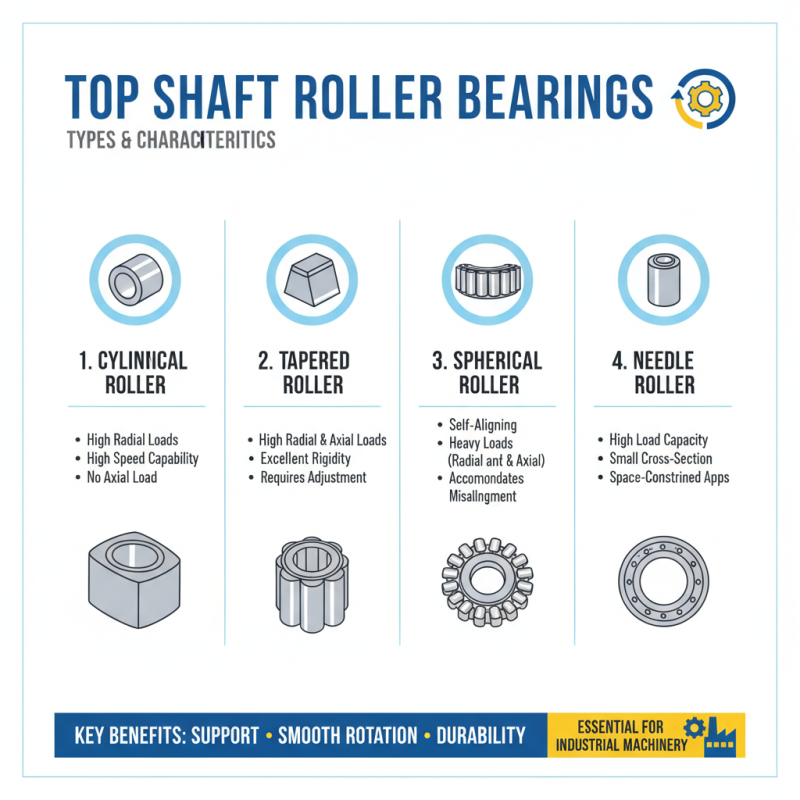
Top shaft roller bearings play a crucial role in various industrial applications. They provide support and facilitate smooth rotation in machinery, making them essential components in manufacturing. Understanding their types and characteristics helps in selecting the right bearing for specific needs.
There are several types of top shaft roller bearings. Cylindrical roller bearings are popular for their high load-carrying capacity. They are often used in automotive applications and heavy machinery. Spherical roller bearings feature self-aligning capabilities, which accommodate shaft misalignments. They are widely adopted in construction equipment and mining operations. Tapered roller bearings are designed for combined radial and axial loads. These bearings find applications in gearboxes and wheel hubs.
Each bearing type has its unique characteristics. The wear resistance of cylindrical roller bearings tends to be high, but lubrication is critical. Spherical roller bearings require proper alignment to prevent premature failure. Tapered roller bearings can offer significant advantages in load distribution, yet the installation process can be complex. Selecting the correct type involves balancing performance needs and maintenance considerations, highlighting the importance of tailored approaches in bearing applications.
Applications of Top Shaft Roller Bearings in Various Industries
Top shaft roller bearings play a crucial role across various industries. They are commonly used in manufacturing, automotive, and aerospace sectors. These bearings support high loads while minimizing friction and wear. In heavy machinery, they enhance efficiency and lifespan, leading to cost savings.
The automotive industry heavily relies on top shaft roller bearings for engine components and transmissions. Their ability to handle radial and axial loads contributes to smoother operation. In aerospace, these bearings are essential for the reliability of turbines and landing gear mechanisms. They are designed to endure extreme conditions and high speeds.
Despite their benefits, there are challenges to address. Misalignment can lead to premature failure. Proper installation and regular maintenance are critical. Monitoring performance helps identify potential issues before they escalate. Industry professionals must focus on training and best practices to ensure the longevity of these bearings.
Top Shaft Roller Bearing Types and Their Applications
| Bearing Type |
Load Capacity (kg) |
Speed Rating (RPM) |
Material |
Common Applications |
| Spherical Roller Bearing |
2000 |
1200 |
Steel |
Mining, Construction Equipment |
| Tapered Roller Bearing |
1500 |
800 |
Alloy Steel |
Automotive, Machinery |
| Cylindrical Roller Bearing |
1200 |
1500 |
Chrome Steel |
Railway, Marine Applications |
| Needle Roller Bearing |
800 |
4000 |
Stainless Steel |
Industrial Equipment, Aerospace |
| Self-Aligning Ball Bearing |
1000 |
900 |
Steel |
Textile Machinery, Fan Motors |
Advantages of Using Roller Bearings in Mechanical Systems
Roller bearings play a critical role in mechanical systems across many industries. Their design reduces friction, leading to increased efficiency and extended equipment lifespan. According to a report by the International Organization for Standardization (ISO), proper use of roller bearings can enhance machinery performance by up to 30%. This is particularly evident in applications such as automotive engines, conveyor systems, and heavy machinery.
One significant advantage of roller bearings is their ability to handle heavy loads. They can support both radial and axial loads, making them suitable for various applications, from construction to aerospace. A study from the American Society of Mechanical Engineers (ASME) highlights that roller bearings can operate efficiently at high speeds, with some designs capable of reaching over 5000 RPM. This performance allows for smoother operation under demanding conditions.
Tips: Regular maintenance of roller bearings can prevent failures. Ensure proper lubrication to extend their life. Always monitor temperature and vibration levels during operation. These simple checks can make a substantial difference in performance. Never underestimate the importance of correct installations. Misalignment may lead to premature wear and failure.
Factors Influencing the Selection of Roller Bearings
When selecting roller bearings, various factors come into play. Load capacity is crucial. It's essential to match the bearing's load rating with your application. Consider both static and dynamic loads when making this assessment.
Another important consideration is the speed of operation. Different types of roller bearings perform better under specific speeds. For example, cylindrical roller bearings excel in high-speed applications. Their design minimizes friction and heat generation, making them ideal for fast machinery.
Tips: Always consult manufacturer specifications. This helps ensure compatibility and reliability. Also, consider environmental factors. Dust, moisture, and temperature can affect bearing performance. Choosing the right sealing options can mitigate these risks.
Material choice also influences selection. Steel and ceramic bearings serve different purposes. Steel offers strength and durability, while ceramic is lighter and can reduce friction. Evaluate the working conditions before making a decision. Lastly, installation practices matter. Misalignment can lead to premature failure. Take the time to ensure proper fitting and alignment.
Maintenance and Best Practices for Top Shaft Roller Bearings
Top shaft roller bearings are crucial components in various machinery. Proper maintenance ensures optimal performance and longevity. Regular lubrication is essential. This reduces friction and wear, extending the bearing's life. Use the correct lubricant for your specific application. Over-lubrication can lead to seal damage.
Inspect bearings frequently for any signs of wear or damage. Look for abnormal noises or vibrations during operation. These can indicate underlying issues. If problems arise, consider immediate analysis. Delaying maintenance can result in catastrophic failure, leading to costly repairs.
Monitor operating temperatures, as excessive heat can compromise performance. Implement a consistent maintenance schedule. This creates a proactive approach to bearing health.
Remember, even minor mistakes can lead to significant operational problems. Continuous learning about best practices is vital for effective maintenance strategies.