Why Metal Ball Bearings Are Essential for High Performance Machinery?
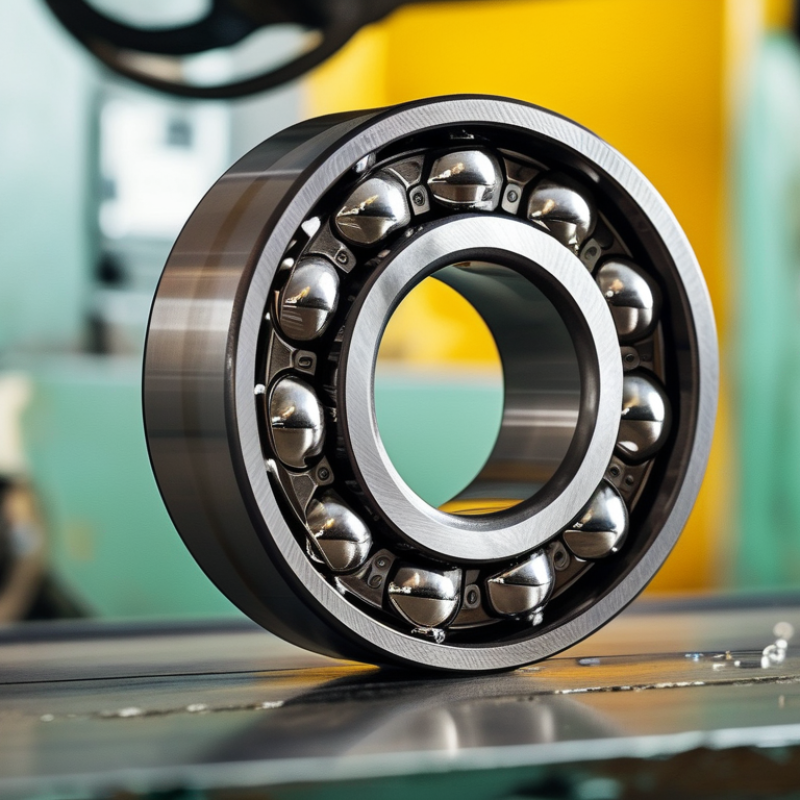
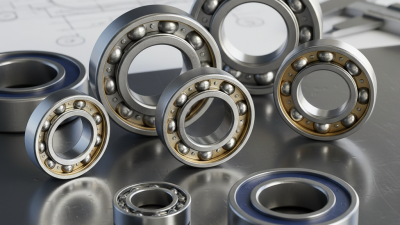
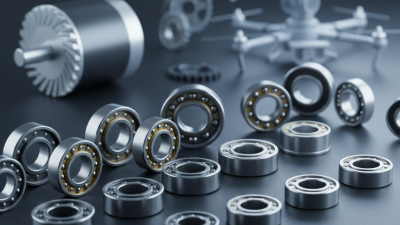
Metal Ball Bearings play a crucial role in modern machinery. Their design allows for smooth rotation and reduces friction. This efficiency makes them vital for high-performance applications.
In various industries, the reliability of Metal Ball Bearings can greatly impact productivity. They endure heavy loads and demanding conditions. A faulty bearing can lead to significant operational failures. Therefore, understanding their function is essential for engineers and operators.
Investing in quality Metal Ball Bearings yields long-term benefits. Choosing the right type can enhance performance. However, it’s important to remember that maintenance and monitoring are equally crucial. Regular checks can prevent unexpected breakdowns. This reflection on their importance can guide improvements in machinery design and usage.
Understanding Metal Ball Bearings and Their Composition
Metal ball bearings play a crucial role in high-performance machinery. They enhance efficiency and reduce friction, which improves overall functioning.
These components are made of various materials, primarily steel or hybrid materials. Each type has unique properties tailored to specific applications.
The composition of metal ball bearings can significantly affect their performance. High-carbon chromium steel is known for its strength and wear resistance. On the other hand, hybrid bearings combine ceramic and steel. This combination can lead to reduced weight and better thermal stability. But not all choices are straightforward. Some environments may corrode certain materials, making them less suitable.
The manufacturing process itself also requires careful consideration. Precision grinding is essential to ensure that each ball has a uniform shape. Even minor deviations can lead to inefficiencies. While high precision is desirable, it often comes at a higher cost. Balancing quality and expense can be a challenge. Engineers must continually assess these trade-offs to achieve optimal performance.
The Role of Metal Ball Bearings in Reducing Friction
Metal ball bearings play a vital role in high-performance machinery. They significantly reduce friction, allowing machines to operate more efficiently. According to industry reports, a reduction of just 10% in friction could lead to energy savings as high as 15%. This impact is crucial for industries where downtime or energy waste can be costly.
The design and material of metal ball bearings contribute to their effectiveness. High-quality steel or ceramic materials are often used to withstand high loads and speeds. For instance, advanced ceramic bearings can reduce friction by up to 30%. This improvement can enhance machine longevity, reflecting a smart investment for manufacturers.
Tip: Regularly inspect bearings for dirt or damage. Even small contaminants can increase friction and energy loss.
It's important to choose the right type of bearing for specific applications. Misapplications can lead to unexpected failures. Consider that over 60% of bearing failures are due to improper lubrication and installation.
Tip: Ensure that your bearings are well-lubricated and correctly aligned. This simple step can extend their lifespan significantly.
High Performance Machinery and the Need for Precision Components
High performance machinery requires precision components to function optimally. Metal ball bearings play a crucial role in this aspect. According to a report by the International Journal of Precision Engineering, even minor deviations can lead to a 20% decrease in machine efficiency. High-performance applications, such as aerospace and automotive industries, rely heavily on these precise components for their reliability.
The need for quality and precision cannot be overstated. Ball bearings reduce friction and enhance the longevity of machinery. The right bearings can improve energy efficiency by up to 35%, a significant factor in today’s competitive marketplace. However, not all metal ball bearings are created equal. Variations in manufacturing processes can lead to quality inconsistencies, which businesses must watch closely.
Tip: Always consider the material and tolerances when selecting bearings. High-grade steel often offers better performance.
Another essential factor is maintenance. Regular inspections can identify wear before it becomes critical. Studies show that companies that implement preventative maintenance can increase machine life by 50%. Still, many underestimate the importance of routine checks, leading to costly downtimes and repairs.
Tip: Schedule frequent bearing inspections to ensure optimal performance.
Impact of Metal Ball Bearings on Machine Longevity and Efficiency
Metal ball bearings play a critical role in machinery performance and can significantly impact machine longevity and efficiency. According to a report by the American Society of Mechanical Engineers (ASME), the type and quality of bearings used can influence friction and wear rates, directly affecting the lifespan of equipment. Well-designed metal ball bearings can reduce wear by up to 50%, extending the overall operational life.
Proper lubrication is essential for maximizing the benefits of metal ball bearings. Insufficient lubrication can lead to increased friction, resulting in quicker deterioration. Regular maintenance and checks can improve performance. Keep an eye on lubrication levels and apply appropriate amounts to prevent unnecessary wear.
Before selecting ball bearings, consider their intended application. Not all bearings suit high-load conditions. The efficiency of a machine can drop sharply if the load exceeds specified limits. For instance, using bearings rated at 1000 RPM in a high-speed application may lead to mechanical failures. So, always match equipment specifications with the right bearing for optimal results.
Applications of Metal Ball Bearings in Various Industries
Metal ball bearings play a crucial role in various industries. In manufacturing, they enhance the efficiency of machines. According to the International Journal of Advanced Manufacturing Technology, ball bearings are essential for reducing friction. This leads to increased energy savings. By using high-quality metal bearings, companies can improve production rates significantly.
In the automotive sector, ball bearings support components under high speeds. They are vital in engines, wheels, and transmission systems. A report by MarketsandMarkets estimates that the bearing market could reach $80 billion by 2025. This growth highlights the importance of reliable ball bearings. Without them, vehicles would face increased wear and tear, impacting performance and safety.
In the aerospace industry, precision is non-negotiable. Metal ball bearings help ensure mechanical reliability and safety. The reliability of these bearings can be life-saving in flight operations. On the flip side, a poorly designed bearing can lead to catastrophic failures. Thus, ongoing innovation is crucial to address these challenges. Industries must continuously invest in R&D to improve bearing performance and longevity.
Why Metal Ball Bearings Are Essential for High Performance Machinery?
| Industry |
Application |
Bearing Type |
Load Capacity (kg) |
Speed Rating (RPM) |
| Automotive |
Wheel Hub Assembly |
Deep Groove Ball Bearing |
1500 |
8000 |
| Aerospace |
Engine Components |
Angular Contact Ball Bearing |
2000 |
12000 |
| Manufacturing |
CNC Machines |
Self-Aligning Ball Bearing |
800 |
10000 |
| Marine |
Propeller Shafts |
Stainless Steel Ball Bearing |
1200 |
5000 |
| Industrial Tools |
Power Drills |
Ball Bearing |
600 |
15000 |