How to Choose the Right Axial Ball Bearing for Your Application?
Choosing the right axial ball bearing for your application can be challenging. With numerous options available, the decision is crucial for performance. According to a market report from Research and Markets, the global axial ball bearing market is projected to grow at a compound annual growth rate of 5% from 2021 to 2026. This growth reflects increasing demand across various industries, including automotive, aerospace, and machinery.
Dr. Emily Johnson, a leading expert in bearing technology, emphasizes the importance of selection. She states, "Choosing the right axial ball bearing can significantly enhance the efficiency of your machinery." Her insight highlights the necessity of understanding specific application requirements. Factors such as load capacity, speed, and environmental conditions play vital roles in this decision.
Manufacturers often overlook these details, leading to operational issues. A mismatch in bearing specifications can cause premature failure. Therefore, taking the time to research and assess options is essential for reliability. With careful consideration, you can optimize performance and longevity in your applications. Remember, the right axial ball bearing makes all the difference.
Understanding Axial Ball Bearings: Types and Applications
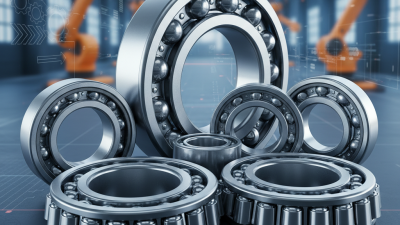
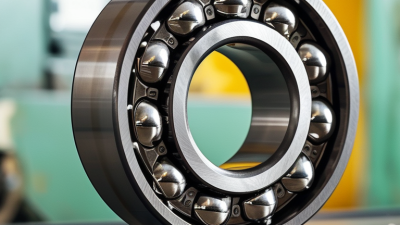
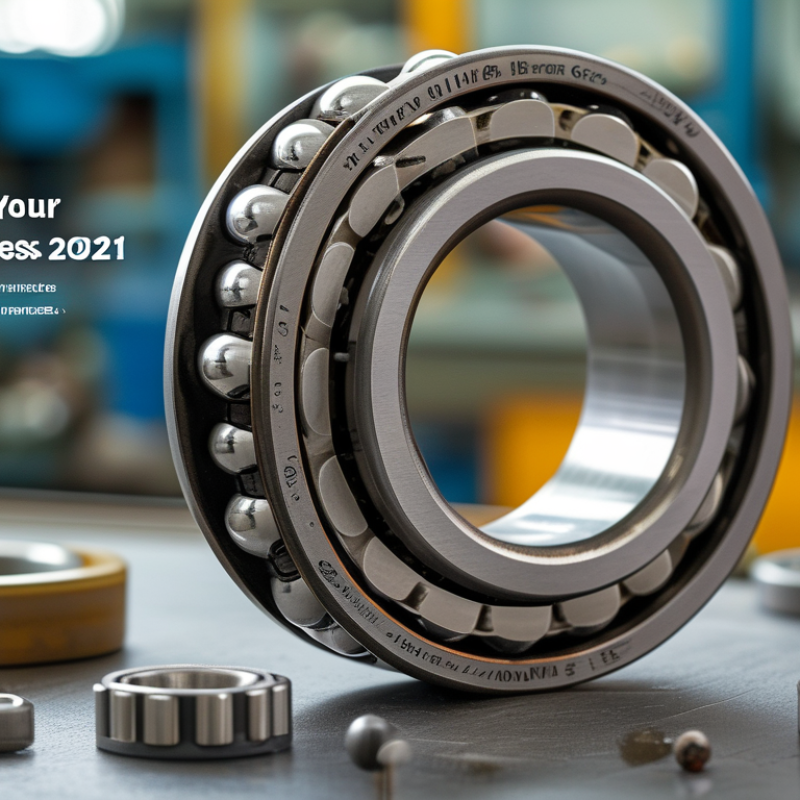
Axial ball bearings play a crucial role in various applications. They support axial loads while allowing for smooth rotational motion. Two main types exist: single-row and double-row axial ball bearings. Single-row designs excel in applications with lower loads, while double-row configurations handle higher loads and provide increased stability.
When choosing the right axial ball bearing, consider the load requirements. This involves understanding both dynamic and static loads. Additionally, the speed of operation is critical. Higher speeds may require specialized lubricants and materials.
Tips: Always evaluate the environmental conditions. Factors like temperature, humidity, and exposure to contaminants can affect bearing performance.
For precision applications, tolerances matter. Select bearings with appropriate tolerances for your specific needs. This can be a complex process, as the wrong choice may lead to premature failure or performance issues.
Remember to consult technical resources or professionals when in doubt. Understanding the specific requirements of your application will greatly influence your bearing selection. Don't overlook the importance of proper installation and maintenance to ensure optimal performance.
Key Factors to Consider When Selecting an Axial Ball Bearing
Choosing the right axial ball bearing is crucial for your project's success. Understanding your application's specific requirements is the first key factor. These bearings facilitate smooth rotation and minimize friction. Consider the load capacity needed for your machinery. Is it operating under heavy loads, or is it more lightweight? Knowing this helps narrow down your options.
Another important aspect is the operating environment. High temperatures, dust, and moisture can affect bearing performance. Some materials resist these conditions better than others. It’s also vital to check the bearing's life expectancy. A higher lifespan may reduce maintenance costs, but also can be a higher initial investment. Reflecting on your budget alongside these factors is necessary for a balanced decision. You may find yourself questioning how much reliability matters versus cost.
How to Determine Load Capacity and Performance Requirements
Choosing the right axial ball bearing involves understanding the load capacity and performance requirements specific to your application. Load capacity dictates how much weight the bearing can handle. It varies based on the type of bearing, manufacturing quality, and intended use. For example, in heavy machinery, consider dynamic and static loads. Dynamic loads occur during operation, while static loads exist when the machinery is at rest.
Performance requirements also play a crucial role in selection. Factors such as speed and temperature influence bearing efficiency. Higher speeds often require special lubricants to prevent overheating. It may be challenging to find the right compromise between load capacity and speed. Testing different configurations might reveal unexpected results. Regular monitoring can help identify potential issues early on.
Evaluating both load capacity and performance requires diligence. There’s no one-size-fits-all approach. You may encounter contradictions when balancing these factors. Documenting your assessments will provide clarity. Engaging with technical experts can further refine your choices and ensure optimal outcomes.
Material Selection for Axial Ball Bearings: Common Choices Explained
When selecting the right material for axial ball bearings, several options come into play. Stainless steel is often favored for its corrosion resistance. This makes it suitable for harsh environments, such as marine applications or chemical processing. However, it can be heavier compared to alternatives.
On the other hand, ceramic materials present a lighter, more durable option with excellent wear resistance. They are less likely to deform under heavy loads. Yet, ceramic bearings tend to be more expensive and can be brittle, requiring careful handling during installation.
Plastic bearings also offer unique advantages. They are lightweight and can be resistant to chemicals. But their strength and temperature limits can be drawbacks for heavy-duty applications. Adequately balancing these materials and their properties is essential for optimal performance. Reflect on your specific needs to ensure the chosen material aligns with your operational demands.
Installation and Maintenance Tips for Axial Ball Bearings
Installing axial ball bearings requires careful attention. Proper alignment is crucial for optimal performance. Misalignment can lead to premature wear and failure. Ensure that the bearing surfaces are clean before installation. Dust and debris can cause issues.
During installation, use appropriate tools to avoid damage. A press is often recommended to seat the bearing without causing distortion. It’s also essential to avoid applying excessive force. The bearing should fit snugly but not be forced into place.
Maintenance of axial ball bearings is just as important. Regular lubrication helps reduce friction and wear. Monitor the lubrication intervals based on the operating conditions. Over time, check for signs of damage or wear. If you notice any issues, it’s wiser to replace the bearing rather than risk failure. Balancing performance with maintenance ensures long-lasting functionality.