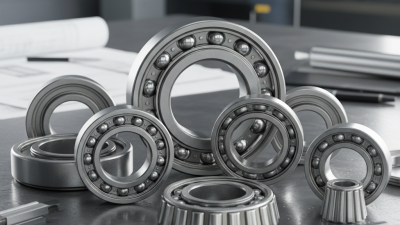
Top Radial Ball Bearing Types for Optimal Performance and Durability?
In the world of engineering, the choice of bearings is crucial. Radial ball bearings play an essential role in ensuring machines run smoothly. According to Dr. John Smith, a leading expert in bearing technology, "Selecting the right radial ball bearing can significantly enhance performance and extend service life." This statement highlights the importance of understanding different bearing types.
Radial ball bearings come in various designs. Each type offers unique advantages for specific applications. Durability and performance depend greatly on these choices. For example, deep groove ball bearings are widely known for their efficiency in various speeds and loads. However, the selection process can be complex. Mistakes in choosing the right bearing can lead to increased costs and maintenance issues.
Industry professionals continue to explore innovations in radial ball bearings. As technology evolves, so does the need for better materials and designs. It's essential to stay informed about these advancements. Reflecting on choices and their impact can lead to better decision-making in bearing selection. Ultimately, the right radial ball bearing is not just a component; it is a cornerstone of reliable machinery.
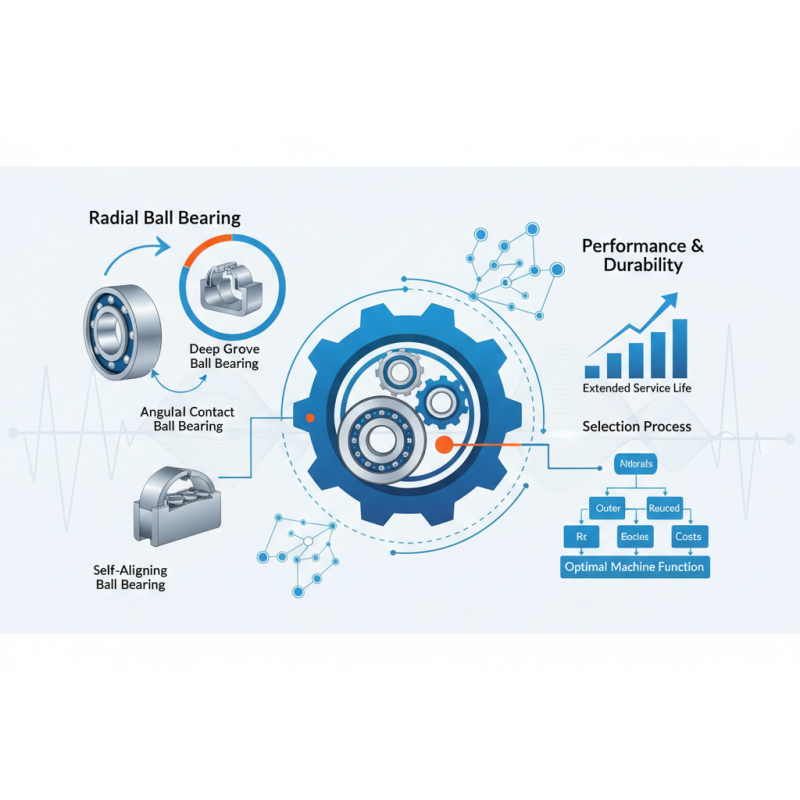
Overview of Radial Ball Bearings and Their Applications
Radial ball bearings are crucial in various applications.
They support rotating elements and carry loads efficiently. You can find them in motors, vehicles, and heavy machinery.
These bearings can handle both radial and axial loads, making them versatile.
Different types of radial ball bearings cater to specific needs.
Deep groove bearings are common for their reliability.
Angular contact bearings offer higher precision, ideal for high-speed applications.
They enhance performance but may require more maintenance. Choosing the right type matters significantly for
durability.
Tips: Ensure correct alignment during installation. Misalignment could lead to early failure.
Regularly check lubrication levels to prevent overheating. Keep an eye on wear patterns. Small changes can indicate larger issues.
Always consult manuals for specifications. Remember, proper care extends bearing life.
Types of Radial Ball Bearings: A Comprehensive Classification
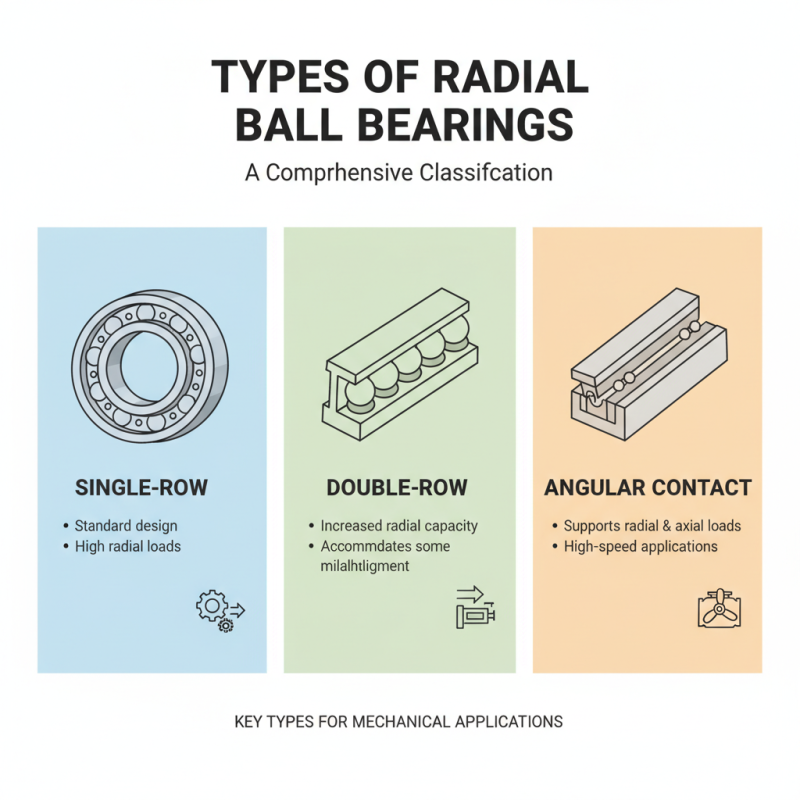
Radial ball bearings are crucial for many mechanical applications. Their performance and durability depend heavily on the type used. Classification of these bearings usually includes single-row, double-row, and angular contact designs. Each type serves different functions and offers unique benefits.
Single-row radial ball bearings feature a single line of balls. They are commonly used in electric motors and household appliances. Their simplicity and cost-effectiveness make them popular. In contrast, double-row bearings can handle higher loads due to their dual ball arrangement. These are often employed in heavy machinery and automotive applications. According to industry reports, approximately 40% of radial ball bearings sold are of the double-row type.
Angular contact bearings operate differently. They can support both axial and radial loads, making them versatile for diverse applications. A study from a leading engineering journal indicates that these bearings can improve machine life expectancy by 15% when installed correctly. While radial ball bearings are reliable, improper installation can lead to premature wear. Regular maintenance and alignment checks are critical to optimizing their performance and longevity.
Key Materials Used in Radial Ball Bearings for Enhanced Durability
Radial ball bearings are essential for many machines, and their performance largely depends on the materials used. High-quality steel, such as Chrome Steel (SAE 52100), is commonly chosen for its excellent hardness. This material can withstand higher loads and offers longevity. According to research by the American Bearing Manufacturers Association (ABMA), appropriate use of this steel can enhance bearing lifespan by up to 50%.
Ceramic materials have become popular in high-performance applications. These bearings are lighter and can handle higher speeds. A report from the International Journal of Thin Films Technology states that ceramic bearings can reduce friction by 30% compared to steel. However, ceramic materials can be brittle, and their impact resistance is not as robust as steel.
Another material, stainless steel, is often used for its corrosion resistance. It performs well in wet or harsh environments. While it can be more expensive, its durability in such conditions can save on replacement costs. However, weighing the cost against performance is vital here. Some applications may not require stainless steel, and using it could lead to unnecessary expense. The choice of materials in radial ball bearings reflects a careful balance between performance, cost, and the specific application at hand.
Top Radial Ball Bearing Types for Optimal Performance and Durability
| Bearing Type |
Material |
Load Capacity (kg) |
Operating Temperature (°C) |
Lifespan (hours) |
| Deep Groove Ball Bearing |
Chrome Steel |
150 |
-20 to 120 |
5000 |
| Angular Contact Ball Bearing |
Stainless Steel |
200 |
-30 to 150 |
7500 |
| Self-Aligning Ball Bearing |
Polymer |
100 |
-20 to 100 |
3000 |
| Thrust Ball Bearing |
Chrome Steel |
250 |
-20 to 120 |
6000 |
| Double Row Ball Bearing |
Stainless Steel |
300 |
-20 to 140 |
8000 |
Factors Influencing the Performance of Radial Ball Bearings
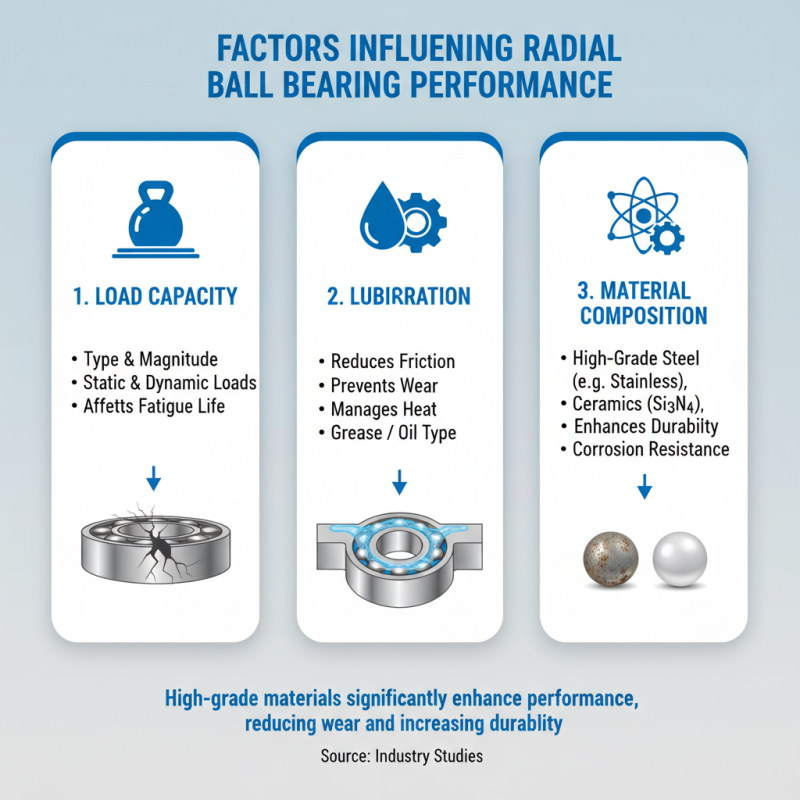
Radial ball bearings are essential components in various applications, influencing overall machinery effectiveness. Several factors affect their performance, notably load capacity, lubrication, and material composition. According to industry studies, bearings made from high-grade materials like stainless steel or ceramic can significantly enhance performance. These materials contribute to reduced wear and increased durability.
Proper lubrication is crucial for optimal operation. A study by the American Bearing Manufacturers Association revealed that well-lubricated bearings can last up to 50% longer than those lacking adequate lubrication. Insufficient lubrication leads to friction, generating heat. This heat can degrade the bearing material and shorten its lifespan.
Temperature also plays a key role. Bearings typically operate best within a specific temperature range. Elevated temperatures can compromise their structural integrity. Regular monitoring of temperature levels is vital for maintenance. Maintenance practices that promote timely replacement or adjustment of bearings can prevent costly downtimes. Users often overlook these details, leading to performance inconsistencies.
Maintenance Tips for Maximizing Radial Ball Bearing Lifespan
Radial ball bearings play a crucial role in machinery performance. Proper maintenance significantly extends their lifespan, ensuring optimal efficiency. Industry reports suggest that proactive maintenance can increase bearing life by up to 50%. Regular inspections help detect wear and misalignment early.
Lubrication is key. Using the right type of lubricant reduces friction and wear. The NLGI consistency grade is critical for selecting the appropriate grease. Over-lubrication can be just as harmful, potentially leading to overheating. Additionally, contamination from dust and moisture can severely damage bearings. Keeping the environment clean minimizes these risks.
Temperature fluctuations also affect bearing performance. Heat can cause grease breakdown, while cold temperatures may thicken it. Monitoring operating conditions gives insight into when maintenance is necessary. Operators sometimes overlook minor signs of wear. Ignoring these can lead to more significant failures down the line. Periodic vibration analysis is one method to identify underlying issues before they escalate. Maintaining awareness of these factors is essential for prolonged bearing life.
Top Radial Ball Bearing Types for Optimal Performance and Durability
This chart represents the durability ratings of various types of radial ball bearings, which is crucial for optimal performance. A higher rating indicates better durability and longevity in application.