2026 How to Choose the Right Shaft Roller Bearing for Your Application?
Choosing the right Shaft Roller Bearing is vital for optimal equipment performance. As industries evolve, demands on bearings increase. Reports indicate that the global roller bearing market is expected to reach USD 18 billion by 2026. This growth highlights the importance of selecting the right components for specific applications.
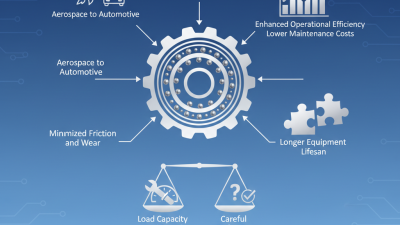
When selecting a Shaft Roller Bearing, factors like load capacity, speed, and environmental conditions are crucial. Standard metrics show that improper bearing choices can lead to a 30% reduction in machine efficiency. For example, bearings in harsh environments may fail prematurely if not rated correctly. This illustrates the need for careful consideration during the selection process.
Reflecting on various applications, one can see the diverse requirements affecting bearing performance. Many engineers emphasize the necessity of testing bearings in real-life conditions. Inconsistent results from lab tests may lead to unexpected failures. Observing how different materials and designs perform will aid in making informed decisions. Therefore, understanding your needs is essential for ensuring long-term reliability and success.
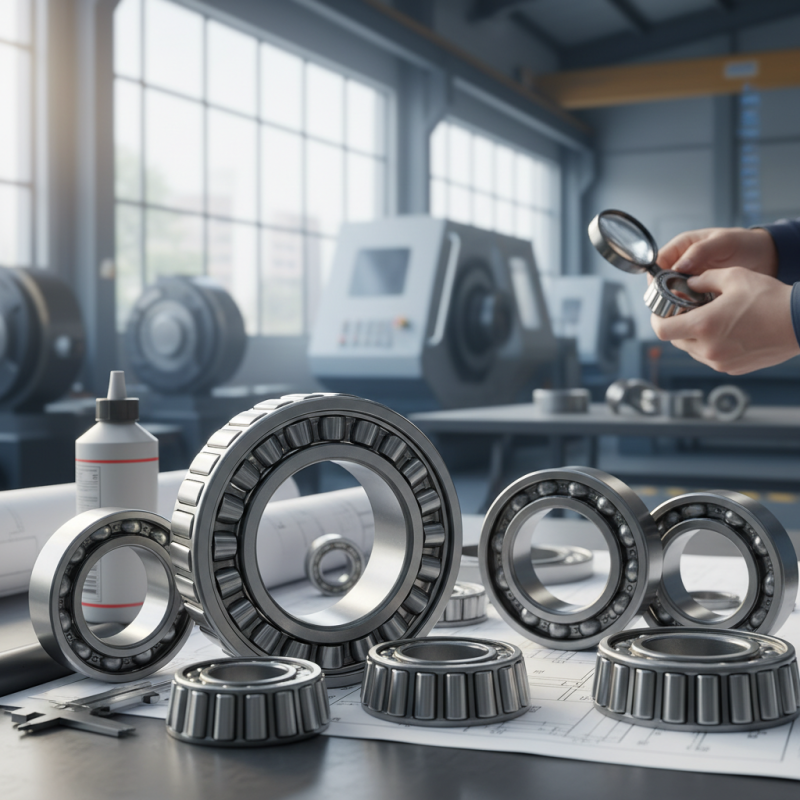
Understanding Shaft Roller Bearings: Types and Applications
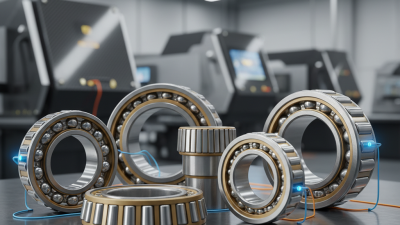
Shaft roller bearings play a crucial role in various industrial applications. They provide support for rotating shafts, ensuring smooth motion and reducing friction. There are several types of shaft roller bearings, including cylindrical, spherical, and tapered roller bearings. Each type has unique advantages suited to specific applications. For instance, tapered roller bearings excel in handling both radial and axial loads, making them ideal for automotive applications.
Understanding the specific requirements of your application is essential. Consider load ratings, speed capabilities, and environmental factors. Data shows that improper bearing selection can lead to a 30% reduction in performance efficiency. For heavy machinery, cylindrical roller bearings are preferred due to their high load capacity. Conversely, spherical roller bearings accommodate misalignment, making them suitable for mining and construction equipment.
In practice, it's vital to evaluate the operating conditions. High temperatures and contamination can impact bearing life. Research indicates that up to 50% of bearing failures are attributed to inadequate maintenance. Regular inspections and a proactive maintenance schedule are key to prolonging service life. Always consult technical guidelines to ensure optimal performance, as each application possesses unique challenges.
Key Factors to Consider When Selecting Shaft Roller Bearings
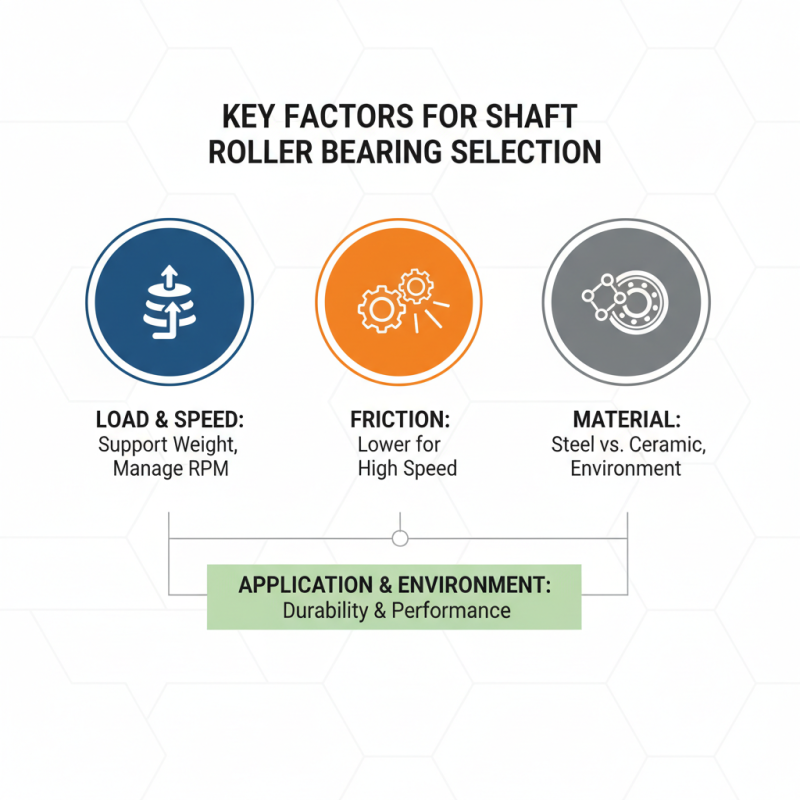
When selecting a shaft roller bearing, several key factors come into play. The application's load and speed are crucial. Bearings must support the expected load without excessive strain. If the speed is high, consider bearings with lower friction. Material also matters. Steel and ceramic offer different performance levels. Choose based on your environment and application requirements.
Tips: Always check the installation manual. This can save you time and headaches. Consider the working temperature as well. Some materials degrade at high temperatures, affecting performance.
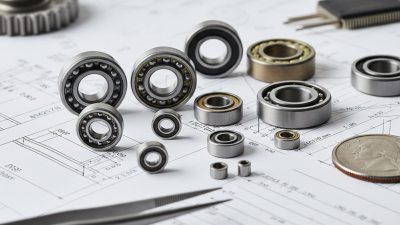
Another aspect to reflect on is the bearing size. Too tight or too loose can cause issues. Conduct precise measurements before making a choice. Also, lubrication is often overlooked. Proper lubrication enhances lifespan and efficiency. Investigate different lubrication methods suitable for your needs. Remember, the right choice impacts not only performance but also maintenance costs.
Impact of Load Ratings and Bearing Life on Your Choice
Choosing the right shaft roller bearing requires a deep understanding of load ratings and bearing life. Load ratings indicate how much weight a bearing can support over time. These ratings are critical in selecting the right bearing for your application. If you underestimate the necessary load rating, you risk premature failure. This can lead to costly downtime and repairs.
Bearing life is equally significant. It is often expressed in hours or revolutions depending on the specific application. For example, a bearing designed for heavy loads may last for thousands of hours under optimal conditions. However, if the load exceeds the bearing’s specifications, its life expectancy significantly decreases.
It’s vital to analyze your operational conditions. This includes load types, environmental factors, and potential contaminants. Many choices involve trade-offs that can affect performance. If you're unsure of your requirements, consulting with a bearing expert might be a wise decision. Understanding these elements can help you avoid costly mistakes. With the right knowledge, you can ensure that your choice will support your operational goals effectively.
Materials and Manufacturing Standards for Shaft Roller Bearings
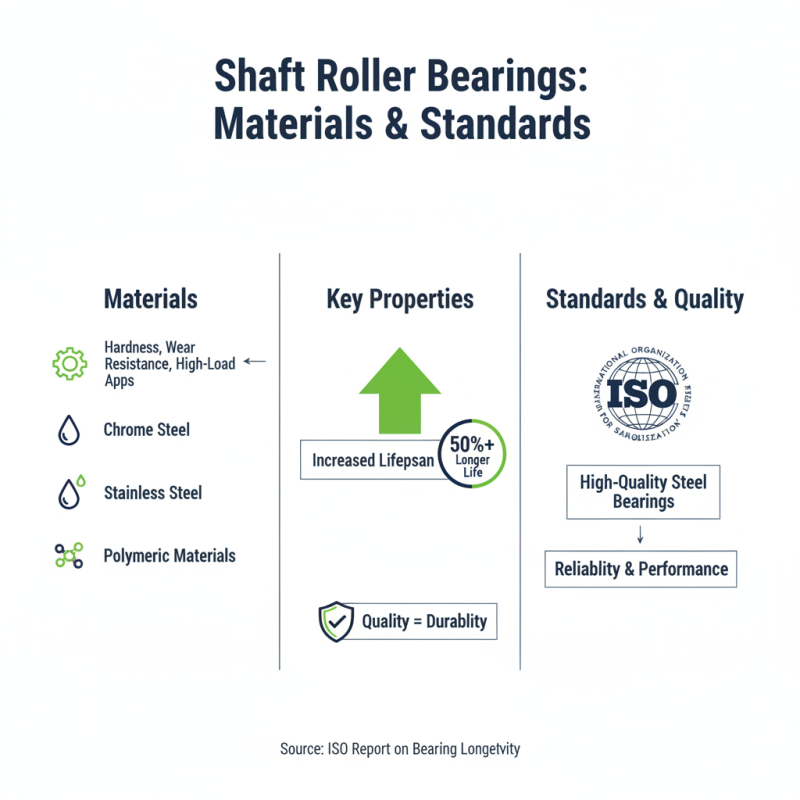
When selecting shaft roller bearings, the materials and manufacturing standards play a crucial role. High-quality bearings often utilize chrome steel, stainless steel, and polymeric materials. Each material has distinct properties. For instance, chrome steel offers excellent hardness and wear resistance, making it suitable for high-load applications. According to a report by the International Organization for Standardization (ISO), bearings made from high-quality steel can last up to 50% longer than those made from lower-grade materials.
Manufacturing standards, such as ISO 9001, ensure that the bearings meet strict quality requirements. This standard helps to minimize defects in the production process. Moreover, advanced techniques like heat treatment enhance the mechanical properties of the bearings, improving fatigue life and performance. Research shows that around 25% of bearing failures are attributed to manufacturing defects. Thus, adhering to rigorous standards is essential for reliable performance.
Additionally, lubrication methods greatly affect a bearing's lifespan. Grease versus oil can change the bearing's performance under various conditions. Misunderstandings about lubrication often lead to premature failures. The American Society for Testing and Materials (ASTM) provides specifications that guide proper lubrication practices. Recognizing the relationship between material choice and manufacturing standards is vital for optimizing bearing performance in your specific application.
Common Mistakes to Avoid in Shaft Roller Bearing Selection
Choosing the right shaft roller bearing is critical for machinery longevity. Many users overlook crucial factors that impact performance. According to industry reports, improper bearing selection can lead to a 30% increase in operational costs. This mistake often arises from inadequate load analysis. Misjudging load capacity can result in premature failure.
Vibration frequency is another common pitfall. Research indicates that nearly 45% of machinery failures are linked to incorrect vibration analysis. Users often ignore the type of application when selecting bearings. Operating conditions, such as temperature and speed, should dictate bearing choices. It’s vital to match the bearing design to the specific operational environment.
Many professionals fail to consider lubrication methods. Insufficient or excessive lubrication can deteriorate bearing life. Up to 25% of bearings can fail due to inadequate lubrication practices. Furthermore, overlooking installation details can affect performance significantly. Allowing for bearing clearance is essential. These factors collectively emphasize the need for careful consideration during the selection process.
2026 How to Choose the Right Shaft Roller Bearing for Your Application?
This bar chart illustrates the common mistakes to avoid when selecting shaft roller bearings according to various application types. The data reflects average user feedback on the importance of each factor when choosing the right bearing.