How to Choose Small Roller Bearings for Your Application?
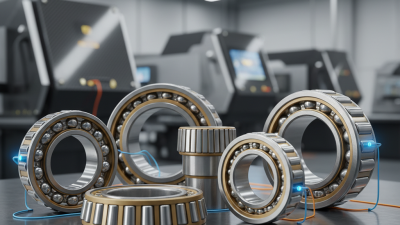
Choosing the right small roller bearings for your application is crucial. These components are essential in various industries, including automotive and aerospace. According to a recent market analysis, the global bearing market is projected to reach $100 billion by 2026, with small roller bearings making up a significant portion. The demand for reliable and efficient bearings has never been higher.
Small roller bearings provide superior support and reduce friction in machinery. However, selecting the right type can be challenging. Factors such as load capacity, speed, and material are vital. A study from the Bearing Research Institute indicates that poor selection can lead to a 30% increase in maintenance costs. Thus, understanding your specific application is key.
While many might choose small roller bearings based solely on price, this can be shortsighted. Quality and durability vary significantly between brands and models. Some options might seem attractive at first glance, but they often lead to performance issues. Therefore, careful consideration and informed choice are necessary for optimal operation.
Understanding Small Roller Bearings and Their Applications
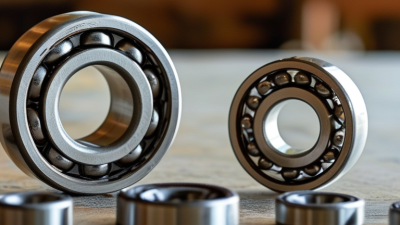
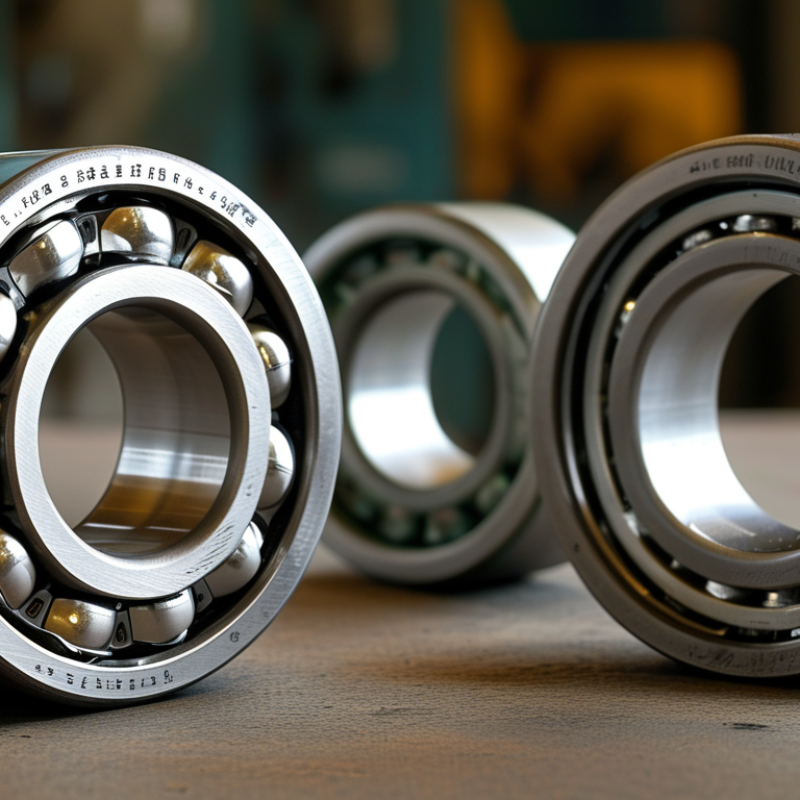
When considering small roller bearings, it's essential to understand their unique characteristics and applications. These components excel in reducing friction while supporting radial and axial loads. They are perfect for applications like electric motors, gearboxes, and small machinery. Their compact size allows for flexibility in design without compromising performance.
Different types of small roller bearings exist, including needle, cylindrical, and tapered varieties. Each type serves specific roles in mechanical systems. For instance, needle bearings distribute loads effectively in tight spaces. Although they provide excellent support, their installation requires precision. Misalignment can lead to premature wear and failure, which may not be immediately evident.
Real-world applications highlight the importance of selecting the right bearing. A mismatch can cause excessive noise and operational inefficiencies. It's essential to consider factors such as load capacity, speed, and environmental conditions. Understanding these details can sometimes get overwhelming. Yet, it's crucial for the longevity of your machinery. Reflecting on past projects can also provide insights and help refine future choices.
Key Factors to Consider When Selecting Small Roller Bearings
When selecting small roller bearings, consider several key factors. Load capacity is critical. Bearings must handle both radial and axial loads effectively. According to industry reports, the load capacity influences bearing lifespan significantly. For example, inadequate capacity can lead to early failure. Look for a bearing that balances size and strength.
Material choice also impacts performance. Common materials include steel, ceramic, and polymer. Each has its own benefits and drawbacks. Steel provides durability, while ceramics offer corrosion resistance. Explore material properties to ensure optimal performance in specific environments.
Precision is essential. Tolerances affect how bearings perform under different conditions. Slight variations can lead to inefficiencies. It's necessary to assess the application requirements carefully. Vibrations and misalignments can create unexpected challenges over time. Always test various options in real applications to validate your choice. This iterative approach can refine your selection process.
How to Choose Small Roller Bearings for Your Application?
| Factor |
Description |
Importance Level |
| Load Capacity |
Determine the axial and radial loads the bearing must support. |
High |
| Size and Space Constraints |
Measure available space and select bearing dimensions accordingly. |
Medium |
| Speed Ratings |
Identify the maximum speeds at which the application will operate. |
High |
| Operating Environment |
Consider factors like temperature, moisture, and contamination. |
High |
| Material Composition |
Choose materials based on strength, durability, and corrosion resistance. |
Medium |
| Lubrication Type |
Select appropriate lubrication method for bearing life and performance. |
Medium |
| Cost |
Evaluate overall cost while ensuring quality and performance meet requirements. |
Low |
Types of Small Roller Bearings and Their Benefits
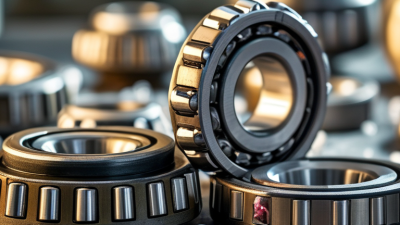
When selecting small roller bearings, understanding their types is crucial. Common types include cylindrical, needle, and tapered roller bearings. Each type serves specific purposes and offers unique benefits. For instance, cylindrical roller bearings excel in handling higher loads and provide better stability. Their design allows for a larger contact area, minimizing wear over time.
Needle bearings, on the other hand, are ideal for applications with limited space. They contain long, thin rollers that can handle heavy loads despite their compact size. This makes them particularly useful in automotive and machinery settings. Tapered roller bearings are designed for handling both radial and axial loads. They help in maintaining alignment under varying load conditions, which can be beneficial in heavy-duty applications.
Choosing the right bearing requires reflection on the specific needs of your application. Consider factors like load capacity, speed, and space constraints. Investing time in this decision can lead to enhanced equipment performance. However, it’s essential to avoid the temptation of going for the most advanced options without understanding your requirements fully. Simple solutions often yield the best results in real-world applications.
Assessing Load Capacity and Speed Requirements for Your Application
When choosing small roller bearings, it's crucial to evaluate the load capacity and speed requirements specific to your application. Different applications have varied demands. For instance, a high-speed spindle requires bearings that can handle significant speeds without overheating. Conversely, a load-bearing system must focus on weight tolerance to avoid premature failure.
One tip is to determine the maximum load your application will experience. Consider both dynamic and static loads. Use the manufacturer’s load ratings as a reference. If uncertain, consulting an expert in bearing selection can provide invaluable insights.
Speed is equally important. Bearings that operate at high RPM should have lower friction. This reduces heat and wear. Look for specifications related to speed ratings when selecting bearings. Always keep in mind that higher speeds often correlate with lower load capacity.
Another consideration is the environment. Is it dusty or wet? This can affect bearing performance significantly. Test the conditions before finalizing your choice. An assessment of your specific needs will enhance reliability and efficiency in the long run.
Maintenance Tips for Ensuring Longevity of Small Roller Bearings
Maintaining small roller bearings is crucial for their longevity and optimal performance. Regular maintenance helps to prevent premature wear and tear. Start by checking for signs of lubrication degradation. If the lubricant is dark or contaminated, it’s time to replace it. Clean the bearings thoroughly before applying fresh lubricant. Use the appropriate type to match your specific application, ensuring smooth operation.
Monitor operating temperatures. Overheating can indicate insufficient lubrication or misalignment. Use infrared thermometers for accurate assessments. Operating in the ideal temperature range extends service life. Also, inspect for any unusual noises during operation. Strange sounds could signal lubrication issues or internal damage. Addressing these problems early can prevent costly failures.
Keep an eye on alignment as well. Misaligned bearings can lead to uneven wear and could shorten their lifespan. Ensure that all components are correctly positioned during the installation process. Regularly scheduled maintenance checks can catch these issues before they escalate. This proactive approach can save both time and resources in the long run, promoting a more reliable operation overall.