How to Choose the Best Heavy Duty Bearing for Your Needs?
Choosing the best Heavy Duty Bearing is crucial for various industrial applications. The right bearing ensures optimal performance, durability, and reliability. These components play a vital role in minimizing friction and wear in heavy machinery. Selecting the wrong bearing can lead to increased downtime and costly repairs.
When assessing your needs, consider factors such as load capacity, speed, and environment. Heavy Duty Bearings come in various sizes and materials, each designed for specific conditions. Not all manufacturers offer the same quality, making it essential to research your options thoroughly. Look for products that have proven reliability and extensive testing.
Remember, the right choice can prevent future challenges. If you rush this decision, you may overlook critical specifications. It's important to reflect on past experiences and learn from them. A thoughtful selection process ensures that your Heavy Duty Bearing meets the demands of your operation.
Understanding Heavy Duty Bearings: Types and Applications
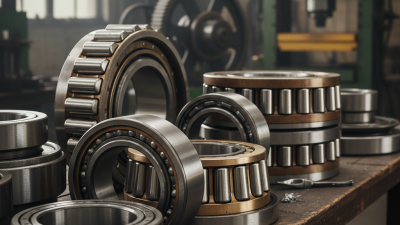
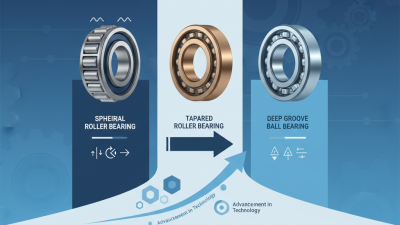
Choosing the right heavy-duty bearing can significantly impact machinery performance. Various types of heavy-duty bearings are available, each designed for specific applications. Common types include roller bearings, ball bearings, and sleeve bearings. Roller bearings can handle heavy loads and withstand harsh conditions. In contrast, ball bearings offer increased speed and reduced friction. Sleeve bearings are often used in applications where availability and cost-effectiveness are crucial.
When selecting a heavy-duty bearing, it's important to evaluate the load capacity required for your application. Consider the operating environment — temperature, humidity, and exposure to dust or moisture. A thorough understanding of these factors can help avoid premature bearing failure.
Look for bearings that are lubricated properly. Proper lubrication prolongs bearing life. Regular maintenance checks can identify wear and tear before they become significant issues. It’s wise to consult technical specifications and seek expert opinions if uncertainty arises. This attention to detail can lead to better performance and reliability in your machinery.
How to Choose the Best Heavy Duty Bearing for Your Needs?
| Bearing Type |
Load Capacity (kg) |
Speed Limit (RPM) |
Material |
Common Applications |
| Ball Bearing |
2000 |
6000 |
Steel |
Automotive, HVAC |
| Roller Bearing |
3000 |
4000 |
Chrome Steel |
Industrial Machinery, Conveyors |
| Spherical Bearing |
2500 |
3000 |
Bronze |
Heavy Equipment, Robotics |
| Thrust Bearing |
1500 |
2500 |
Stainless Steel |
Maritime, Wind Turbines |
Key Factors in Selecting Heavy Duty Bearings for Industrial Use
Selecting the right heavy-duty bearing for industrial applications can be challenging. Key factors play a crucial role in making an informed choice. One significant aspect is load capacity. Heavy-duty bearings are designed to handle substantial loads. According to industry reports, bearings with higher load ratings can significantly extend machinery life, reducing downtime and maintenance costs.
Additionally, operating conditions must be considered. Temperature, humidity, and exposure to contaminants can affect bearing performance. A study by the International Journal of Mechanical Engineering revealed that bearings used in harsh environments typically require specialized coatings to resist wear. For example, operating in high temperatures may necessitate bearings made from specific materials that retain strength.
Another critical factor is lubrication. Proper lubrication reduces friction and extends bearing life. The right lubricant can lower operating temperatures by as much as 20%. Data indicates that nearly 30% of bearing failures are due to inadequate lubrication. Regularly assessing lubrication methods can help avoid costly failures and ensure consistent performance. Balancing these factors requires ongoing evaluation and reflection on real-world application and performance.
Material Selection for Heavy Duty Bearings: Strength vs. Weight
When selecting heavy duty bearings, the choice of material plays a crucial role. Two primary factors to consider are strength and weight. A common dilemma in engineering is balancing the need for robust performance with overall weight reduction. Recent studies indicate that steel bearings offer superior load-bearing capabilities, handling loads exceeding 100,000 pounds per square inch. However, they come with increased weight.
In contrast, composite materials have gained traction due to their unique properties. These materials are significantly lighter, often reducing weight by up to 50%. Yet, they may not withstand the same load levels as steel. Engineers must evaluate application demands carefully. Detailed assessments from industry reports suggest that miscalculating weight versus strength can lead to premature bearing failure or inefficient system performance.
Manufacturers often emphasize the importance of rigorous testing to find the right balance. Vibration analysis and load testing are essential steps. Many fail to recognize that choosing a heavier material may provide better longevity and reliability, despite the initial weight penalty. It’s a complex decision, requiring more than surface level analysis. Understanding your specific application will guide you toward the best selection for your needs.
Load Ratings and Capacities: Ensuring Optimal Performance
When selecting a heavy-duty bearing, understanding load ratings is crucial for optimal performance. Bearings are rated based on their ability to support loads without failure. The dynamic load rating indicates how much weight a bearing can handle while in motion. It's essential to match this rating with your application needs. Many industry standards suggest that if the load exceeds 50% of the bearing’s capacity, it is wise to consider a higher-rated option.
Additionally, the static load rating is vital for applications where the bearing experiences stationary loads. The bearing should ideally support a load that does not exceed 30% of its static capacity over extended periods. Reports indicate that overloading bearings can lead to premature wear, increasing maintenance costs. Reliability issues often arise when users underestimate these ratings, emphasizing the importance of accurate calculations.
Common mistakes include neglecting environmental factors. High temperatures and contaminants can impact performance. In fact, a study reveals that operating conditions can reduce load capacities by up to 25%. It's essential to consider these aspects, as choosing the right bearing extends service life and enhances reliability. Regular reviews of load specifications can prevent unexpected failures.
Maintenance Tips for Extending the Life of Heavy Duty Bearings
Maintaining heavy-duty bearings is crucial for their longevity and performance. Regular inspections help identify signs of wear and tear. Check for unusual noises or vibrations that may indicate issues. If you notice any damage, replacing the bearing promptly can save you from more extensive repairs.
Lubrication is a key factor in bearing maintenance. Using the correct type of lubricant ensures minimal friction and heat. Regularly check the lubrication levels and top up as necessary. However, over-lubrication can also lead to problems. It may cause grease to escape and attract contaminants, which can be detrimental.
Additionally, keeping the surrounding area clean is essential. Dust and debris can harm the bearings over time. Regular cleaning can prevent particles from entering the bearing assembly. Consider implementing a routine maintenance schedule. Setting reminders can help ensure that no steps are overlooked.
Heavy Duty Bearings Performance Comparison
This chart displays a comparison of various heavy duty bearings based on their load capacity, speed rating, temperature range, and lifespan. Selecting the right bearing type based on these parameters can help extend the life of the bearings and improve performance.