How to Choose the Best Stainless Steel Bearings for Your Needs?
Choosing the right stainless steel bearings is crucial for various applications. Experts emphasize the importance of selecting high-quality products. John Smith, a renowned engineer in the bearing industry, once said, "The right bearing can make or break your machinery performance." This statement highlights the need for careful consideration when making decisions.
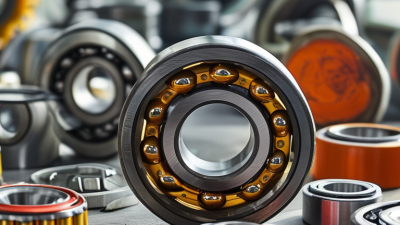
Stainless steel bearings are known for their corrosion resistance and durability. However, not all stainless steel bearings are created equal. Different grades and designs cater to different needs. For example, high-speed applications may require specific ball configurations. A lack of attention to these details can lead to premature failure.
In the end, understanding the unique requirements of your machinery is essential. Consider load capacities, environmental factors, and maintenance needs. Choosing the right stainless steel bearings may seem daunting. Yet, with the right information and guidance from experts, you can avoid costly mistakes.
Understanding the Basics of Stainless Steel Bearings
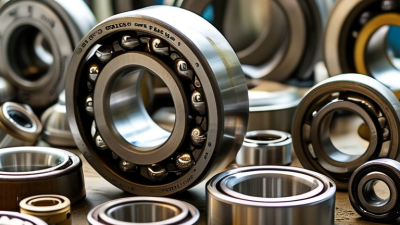
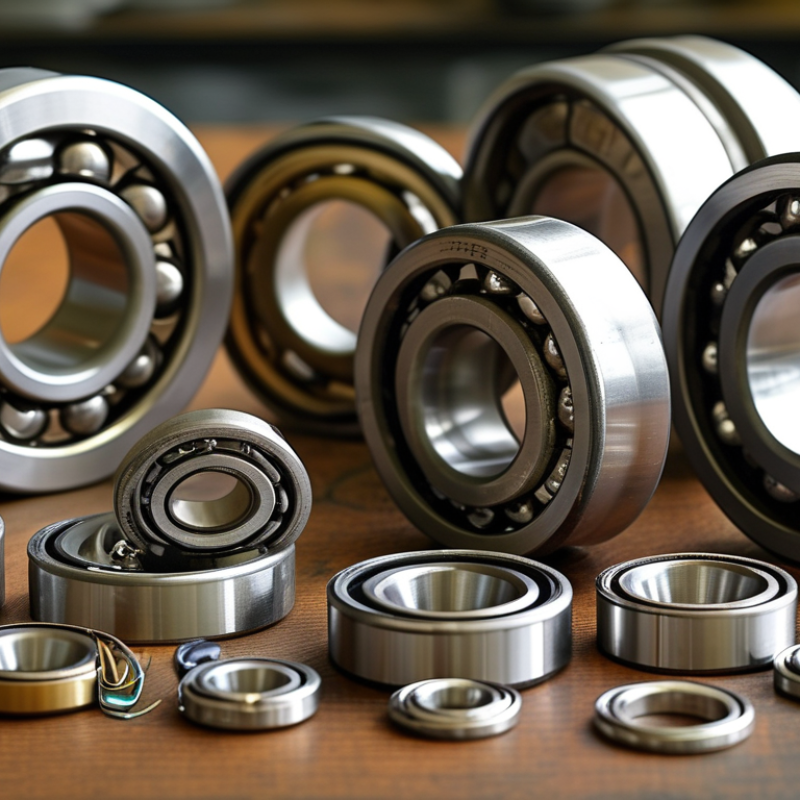
Stainless steel bearings are crucial in various applications, from machinery to daily devices. Understanding their composition helps ensure optimal performance. These bearings typically contain chromium, nickel, and other elements. This combination provides corrosion resistance and high strength. According to a report by Smithers, the global bearing market was valued at $78.2 billion in 2020. Stainless steel bearings hold a significant segment, primarily due to their durability and versatility.
Maintenance requirements can vary. Some stainless steel bearings require regular lubrication to minimize wear. Others may need periodic inspections to ensure they function correctly. It's essential to choose bearings that fit specific application needs. A misfit can lead to premature failure or reduced efficiency. The right choice can save time and resources in the long run.
Keep in mind that not all stainless steel types are equal. 440C stainless steel offers hardness, while 304 stainless steel is more resistant to corrosion. Each type offers distinct advantages depending on the environment. Users must weigh these factors carefully to make informed decisions. Understanding the basics is vital for selecting the best stainless steel bearings.
Key Factors to Consider When Choosing Stainless Steel Bearings
When selecting stainless steel bearings, several key factors must be evaluated. The first step is to consider the grade of stainless steel. Grades such as 304 and 316 are commonly used. A report by the International Bearing Association highlighted that grade 316 offers enhanced corrosion resistance, making it suitable for marine applications. However, this grade may cost significantly more than 304. Users must weigh the cost against the necessary durability.
Load capacity is another vital factor. Engineering standards indicate that ball bearings can support various loads depending on their size and design. It’s essential to choose a bearing that meets or exceeds the application’s load requirements. Careful calculations must be made to avoid premature wear. A premature failure can lead to costly downtimes and repairs, so it's much better to be cautious.
Speed ratings also play a significant role in the selection process. Bearings have limitations on their maximum operational speeds. Exceeding these limits can result in failure. According to industry standards, a bearing operating above its limit may deteriorate quickly, affecting overall performance. Users should examine the application’s specifications and runtime to make informed decisions. Balancing these factors can be challenging but is crucial for optimal performance.
Types of Stainless Steel Bearings and Their Applications
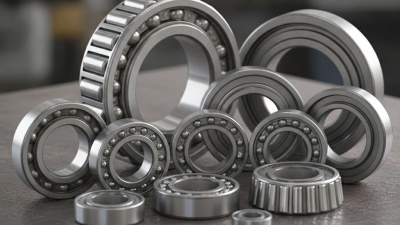
Stainless steel bearings come in various types, each tailored for specific applications. A key variety is the deep groove ball bearing. This design excels in radial and axial loads, making it a popular choice in electric motors and household appliances. According to a report by MarketsandMarkets, the demand for deep groove ball bearings is expected to reach over $20 billion by 2025, highlighting their widespread utility.
Another important type is the stainless steel thrust bearing. These bearings are essential in applications where axial loads are significant. Industries like construction and manufacturing often rely on them for stability and efficiency. A study in the journal "Tribology Transactions" notes that using quality stainless steel thrust bearings can enhance overall machinery lifespan by up to 15%.
However, selecting the right type of stainless steel bearing requires careful consideration. Factors such as load capacity, speed, and environmental conditions play a vital role. A mismatch can lead to premature failure or inadequate performance. Therefore, it is crucial to assess the specific requirements of each application to ensure optimal choice. Remember, a well-informed decision will help minimize future issues, leading to better operational efficiency.
Maintenance Tips for Prolonging the Life of Your Bearings
Choosing the right stainless steel bearings is just the beginning. Proper maintenance significantly enhances their lifespan. Regular cleaning is essential. Accumulated dirt and debris can cause wear and tear. Use a soft cloth and mild soap to wipe down your bearings regularly. Avoid harsh chemicals that could damage the finish.
Lubrication is another critical aspect. The right lubricant minimizes friction but can be tricky. Too much grease can attract dirt, while too little can lead to overheating. Aim to find a balance. Inspect bearings periodically for signs of rust or corrosion. Early detection can save you from costly replacements.
Environmental factors also play a role. If your bearings are exposed to moisture, consider sealing them properly. Regularly check for any signs of wear. Stay proactive rather than reactive. It’s easier to address small issues before they become major problems. These practices demand attention and effort, yet they yield substantial benefits for your bearings.
Stainless Steel Bearings Performance Comparison
This bar chart illustrates the performance metrics of stainless steel bearings across various criteria such as corrosion resistance, load capacity, speed capability, maintenance frequency, and temperature range. These metrics can help in choosing the best stainless steel bearings for your specific needs.
Where to Source High-Quality Stainless Steel Bearings for Your Needs
When sourcing high-quality stainless steel bearings, consider reputable suppliers. A well-established supplier often assures quality. They invest in quality control processes. Check the supplier’s history and customer reviews. Look for feedback from other businesses. This can give insights into their reliability.
Local distributors can be a good starting point. They might offer fast delivery and support. But don’t overlook online options. Websites dedicated to industrial components often have extensive selections. These platforms typically allow comparisons of various brands and types. It’s wise to examine product specifications and certifications.
Sometimes, getting the best product can be complex. Not all suppliers keep to the highest standards, which can lead to challenges. It's essential to ask questions and clarify details before purchasing. Ensure the bearings fit your specific requirements. If unsure, consult with industry experts. Their experience can guide your choices and avoid common pitfalls.
How to Choose the Best Stainless Steel Bearings for Your Needs?
| Bearing Type |
Load Rating (kg) |
Temperature Range (°C) |
Material Grade |
Suitable Applications |
| Deep Groove Ball Bearing |
200 |
-40 to 120 |
AISI 440C |
Electric motors, robotics |
| Angular Contact Ball Bearing |
300 |
-30 to 150 |
AISI stainless steel |
High-speed applications |
| Thrust Ball Bearing |
150 |
-20 to 100 |
AISI 316 |
Machinery and heavy equipment |
| Self-Aligning Ball Bearing |
180 |
-20 to 120 |
AISI 440A |
Conveyor systems |
| Spherical Roller Bearing |
500 |
-30 to 150 |
AISI 304 |
Wind turbines, construction equipment |