2026 Top Ball Bearing Shaft Buying Guide for Global Buyers?
When purchasing a ball bearing shaft, understanding its implications is crucial for efficiency. These components play a vital role in machinery and equipment. Their selection impacts performance, durability, and overall operation. Global buyers must consider several factors to make informed decisions.
Selecting the right ball bearing shaft can be daunting. Various brands, designs, and materials exist in the market. Each option has unique characteristics that may suit specific applications. It's essential to assess your needs carefully before deciding. Additionally, not all suppliers offer reliable products. Some may lack the necessary quality assurance.
Reflecting on past experiences can guide new purchases. Learning from previous mistakes helps in identifying trustworthy suppliers. Always take the time to research and compare different ball bearing shafts. Prioritize understanding their specifications and compatibility with existing machinery. This diligence ensures that you invest wisely in high-quality components.
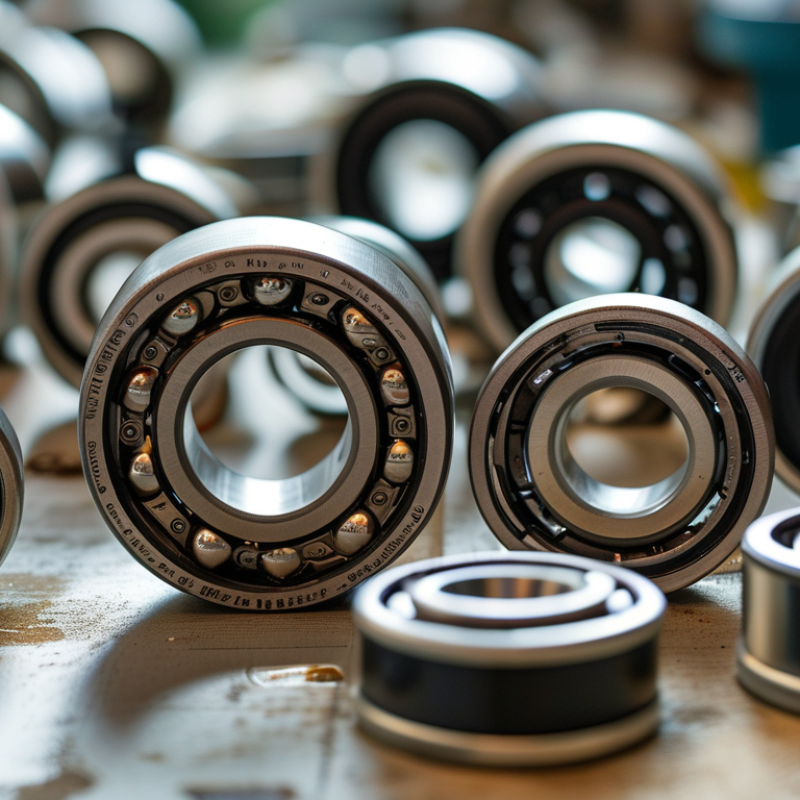
Understanding Ball Bearings: Types and Functions
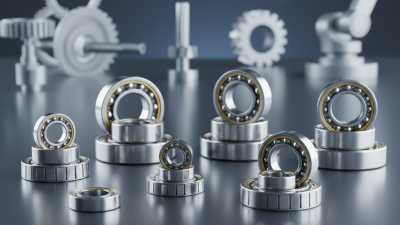
Ball bearings play a crucial role in machinery. They reduce friction between moving parts, enhancing efficiency.
There are several types of ball bearings, each tailored for specific applications.
Deep groove ball bearings are common for light loads, while
angular contact ball bearings handle higher speeds.
Understanding these types is essential for selecting the right bearing.
The design of ball bearings allows them to withstand various stresses. They can be made of steel or ceramics, influencing their durability.
Stainless steel bearings are resistant to corrosion.
Ceramic bearings, though often more expensive, offer lighter weight and improved performance.
However, they can be brittle, which is a consideration in demanding applications.
Market trends show demand for specialized ball bearings is increasing. As machines evolve, so do their requirements.
Buyers must stay informed about innovations and performance metrics.
However, not all information online is accurate. Conducting thorough research is vital for making informed decisions.
Understanding your machinery's needs will guide you in choosing the right bearing.
Key Factors to Consider When Buying Ball Bearing Shafts
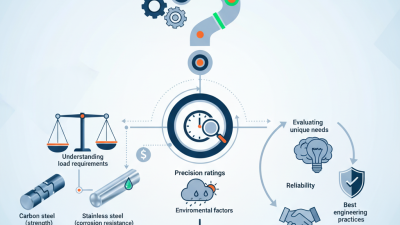
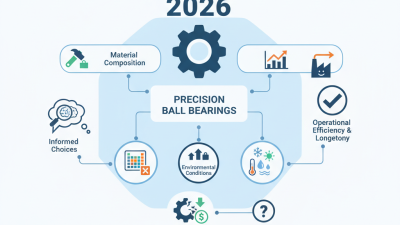
When considering ball bearing shafts, several key factors are essential for making an informed decision.
One crucial aspect is the material of the shaft. High-quality steel is typically preferred for durability and strength.
According to industry reports, stainless steel shafts have a significant corrosion resistance, which can substantially extend service life in harsher environments.
Another important factor is the load capacity. Understanding the radial and axial loads your application requires is vital.
A shaft designed for heavier loads generally has a larger diameter and can sustain more stress.
Reports indicate that optimizing load capacity can enhance machinery performance by up to 30%.
However, overestimating these needs may result in excessive costs.
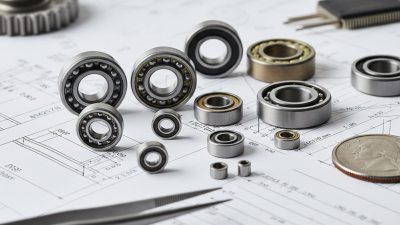
Tip: Always check the precision of the shaft. A finer tolerance can lead to better performance.
Inadequate tolerance can cause vibrations and shorten the lifespan of both the shaft and bearings.
Additionally, consider the shaft's finish. Smooth surfaces reduce friction and wear, improving efficiency.
Don't forget to review the manufacturer's specifications. This ensures compatibility with existing components and helps avoid future complications.
Many buyers overlook this step, leading to costly replacements. Investing time upfront can prevent headaches later.
Global Market Trends and Demand for Ball Bearing Shafts in 2026
As we move into 2026, the global demand for ball bearing shafts is steadily increasing. Industries such as automotive, aerospace, and manufacturing heavily rely on these components. This demand is driven by the need for enhanced efficiency and precision in machinery. Notably, newer applications in electric vehicles are creating a surge in market growth.
One remarkable trend is the shift towards lightweight materials. Manufacturers are experimenting with composites and advanced alloys to reduce weight while maintaining strength. This transition could benefit energy efficiency in transportation. However, sourcing these materials raises critical questions about sustainability and cost-effectiveness.
Another area that deserves attention is the digital transformation in the supply chain. Incorporating smart technologies can improve tracking and inventory management. Yet, many firms struggle with adapting to these technological changes. It’s essential to find a balance between integrating innovation and ensuring reliability in traditional manufacturing processes.
2026 Top Ball Bearing Shaft Buying Guide for Global Buyers
| Region |
Market Size (Million $) |
Growth Rate (%) |
Key Applications |
Demand Drivers |
| North America |
2500 |
5.2 |
Automotive, Aerospace |
Rising automotive production |
| Europe |
2200 |
4.8 |
Industrial Machinery |
Investment in manufacturing |
| Asia Pacific |
3000 |
6.5 |
Electronics, Construction |
Growing construction projects |
| Latin America |
800 |
3.5 |
Agriculture, Mining |
Expansion of mining activities |
| Middle East & Africa |
600 |
3.0 |
Oil & Gas, Transportation |
Infrastructure development |
Top Manufacturers and Suppliers of Ball Bearing Shafts Worldwide
In the ball bearing shaft industry, several top manufacturers and suppliers stand out globally. These companies focus on quality, innovation, and customer service. They cater to a variety of sectors, including automotive, aerospace, and industrial machinery. The competition pushes them to continuously improve their offerings.
Buyers should consider the materials used, as they impact durability and performance. Steel shafts are common, but composite materials are gaining traction. Understanding specifications like load capacity and rotational speed is crucial. Balancing quality with cost is often a challenge for buyers.
Many manufacturers prioritize sustainability in their production processes. However, some might overlook this critical aspect. Buyers should seek partners that align with their values. An informed choice can lead to better long-term relationships and performance. Collaborating with reliable suppliers can make a significant difference in project outcomes.
Pricing Strategies and Budgeting for Ball Bearing Shaft Purchases
When considering ball bearing shafts, pricing strategies and budgeting are crucial. The market offers a wide range of options, and understanding cost factors can guide buyers. Firstly, assess the materials used in production. High-quality steel can raise costs but ensures durability. On the other hand, lower-grade materials may save money initially but could lead to higher replacement rates.
Next, consider the manufacturing process. Shafts produced through advanced techniques may come at a premium price. However, they often provide better performance. Additionally, shipping and handling can affect the budget. If purchasing internationally, be aware of potential tariffs and taxes that can inflate expenses.
As you allocate your budget, think about long-term costs. Cheaper options may seem appealing, but they might compromise performance. Investing in quality often leads to lower maintenance costs over time. Reflect on how often you plan to replace items and how that affects your overall budget. A careful balance of costs and quality ensures a more reliable purchase.
2026 Ball Bearing Shaft Pricing Overview